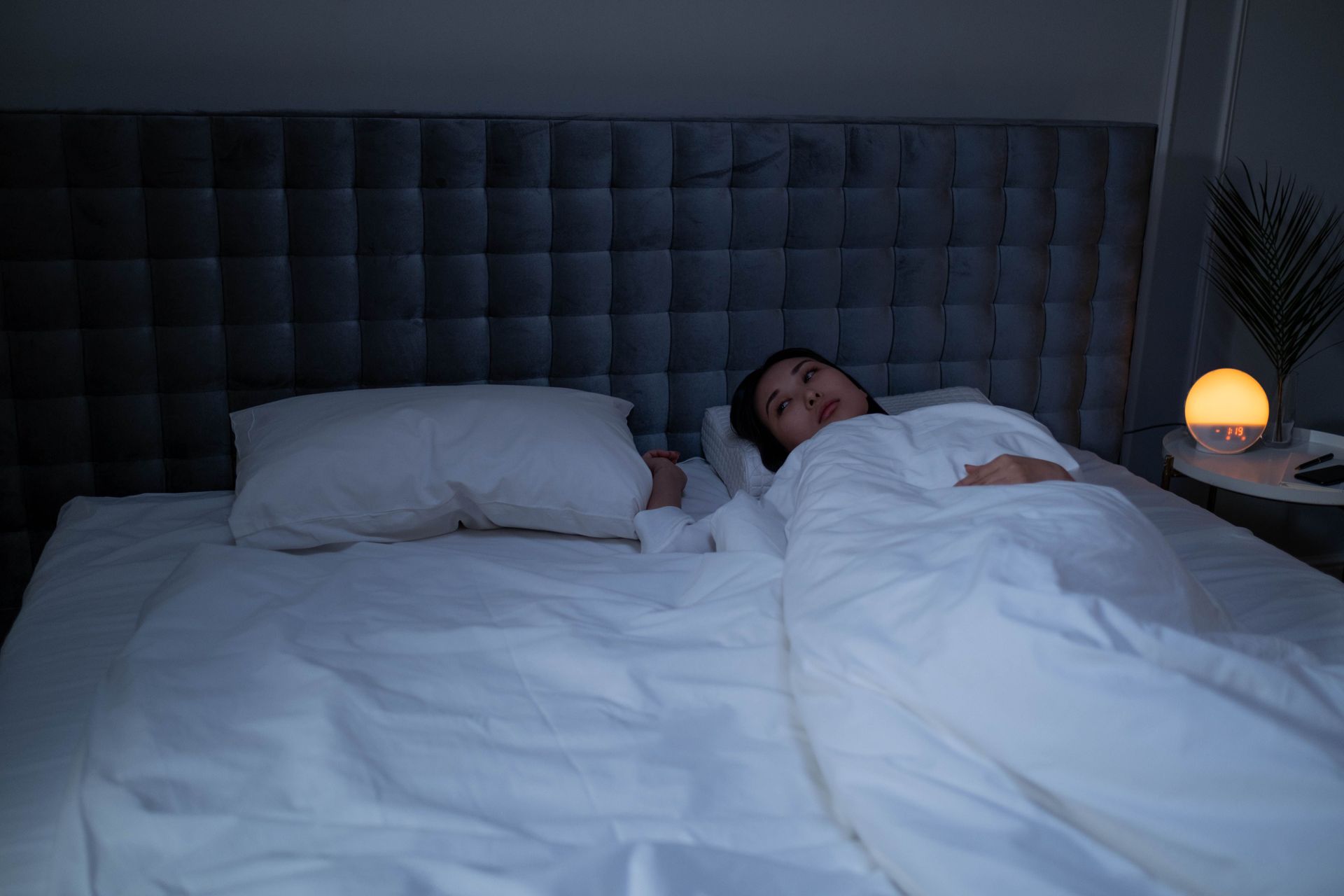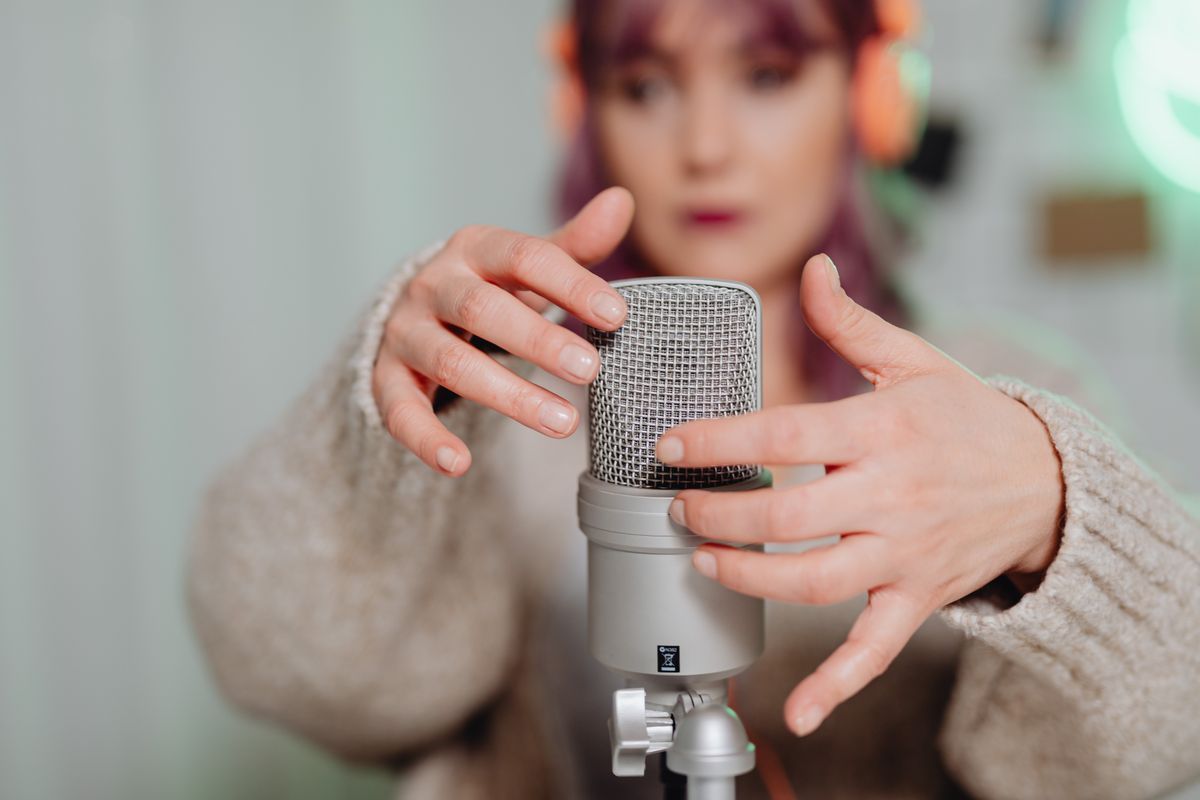
Have you ever felt a gentle tingling sensation on your scalp or a sudden state of calmness when hearing a whispering sound? This experience is not as strange as it may seem. It is connected to what is known as ASMR sounds for relaxation. In addition, it is a sensory and auditory phenomenon that has attracted the interest of millions around the world, especially among fans of sleep, meditation, and self-development applications.
Moreover, the problem is that many people use these sounds without truly understanding whether they are actually beneficial, or even suitable for everyone. From here comes the context of our article, to explain this phenomenon and learn how to choose the sound experience that suits you best.
What Is Meant by ASMR Sounds for Relaxation?
ASMR is an abbreviation for Autonomous Sensory Meridian Response. It is defined as a sensory experience that appears in some people when they are exposed to calm triggers, such as whispering or light tapping. According to Nebraska Medicine, this response may appear as a pleasant feeling of tingling or chills, and it is often associated among those who respond to it with a feeling of calmness and comfort. For this reason, interest has increased in content that uses this technique as part of a relaxation or pre-sleep routine.
What Triggers May Stimulate the Relaxing Autonomous Sensory Meridian Response?
It is important to know that this response does not happen in the same way for everyone. One person may feel it when hearing a certain sound, while another person may not be affected by the same sound. In general, the response can appear as a result of auditory or visual triggers, or even situations that suggest personal care. Among the most prominent are:
Whispering or speaking in a low voice is one of the most common ASMR triggers, because it gives some listeners a feeling of calmness and closeness.
Light tapping or typing, such as the sound of fingers on a table or keyboard, includes repeated sounds that may help with focus and relaxation.
Slow and organized movements, such as moving the hands slowly or arranging objects calmly, give the brain a sense of rhythm and reassurance.
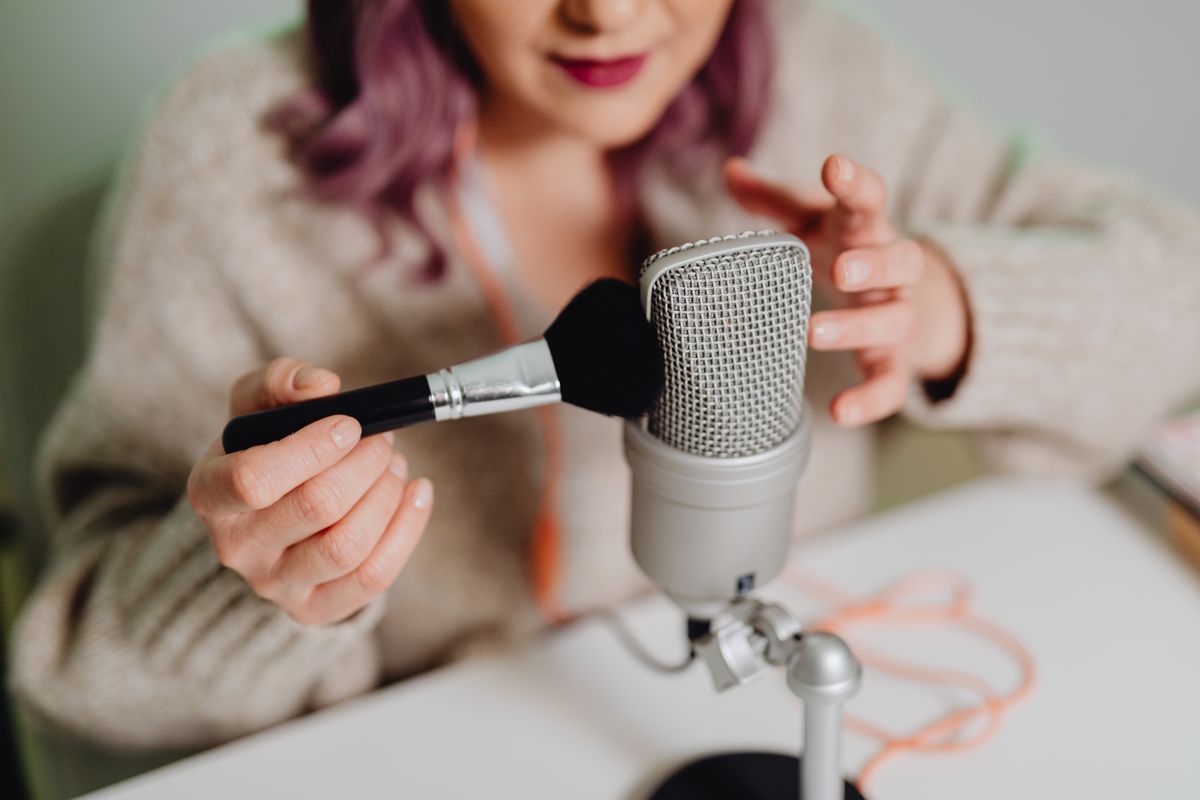
Simulated personal care, such as scenes of hair brushing, hair cutting, or applying makeup, where the viewer feels as if they are receiving direct attention.
Turning pages or folding paper, which are simple and soft sounds that some people may associate with reading and calmness.
Soft sounds with an auditory texture, such as light scratching, crunchy sounds, or gentle sounds produced by touching different materials.
What Are ASMR Sounds and Their Psychological Benefits?
Although research on the ASMR phenomenon is still in its early stages, some experiences and studies indicate possible psychological benefits that appear more clearly among people who respond to calm auditory or visual triggers. Among the most prominent benefits are:
Calm sounds, such as whispering or light tapping, help reduce mental pressure and give the person a space of calmness after a long day.
Some people describe the ASMR experience as giving them a deep feeling of comfort and reassurance, especially when listening to it in a quiet atmosphere.
This experience may create a pleasant feeling of comfort and gentle enjoyment, which reflects positively on the psychological state for a short time.
Many people turn to ASMR clips before sleep because they help reduce mental preoccupation and prepare a calmer atmosphere, which may make it easier to get ready for sleep.
Some clips depend on a close tone of voice or a style that imitates personal care, which may give the listener a feeling of containment and familiarity.
Paying attention to a simple and repeated sound, such as turning pages or the sound of rain, helps reduce scattered thoughts and strengthens focus on the present moment.
How to Use the ASMR Experience Correctly
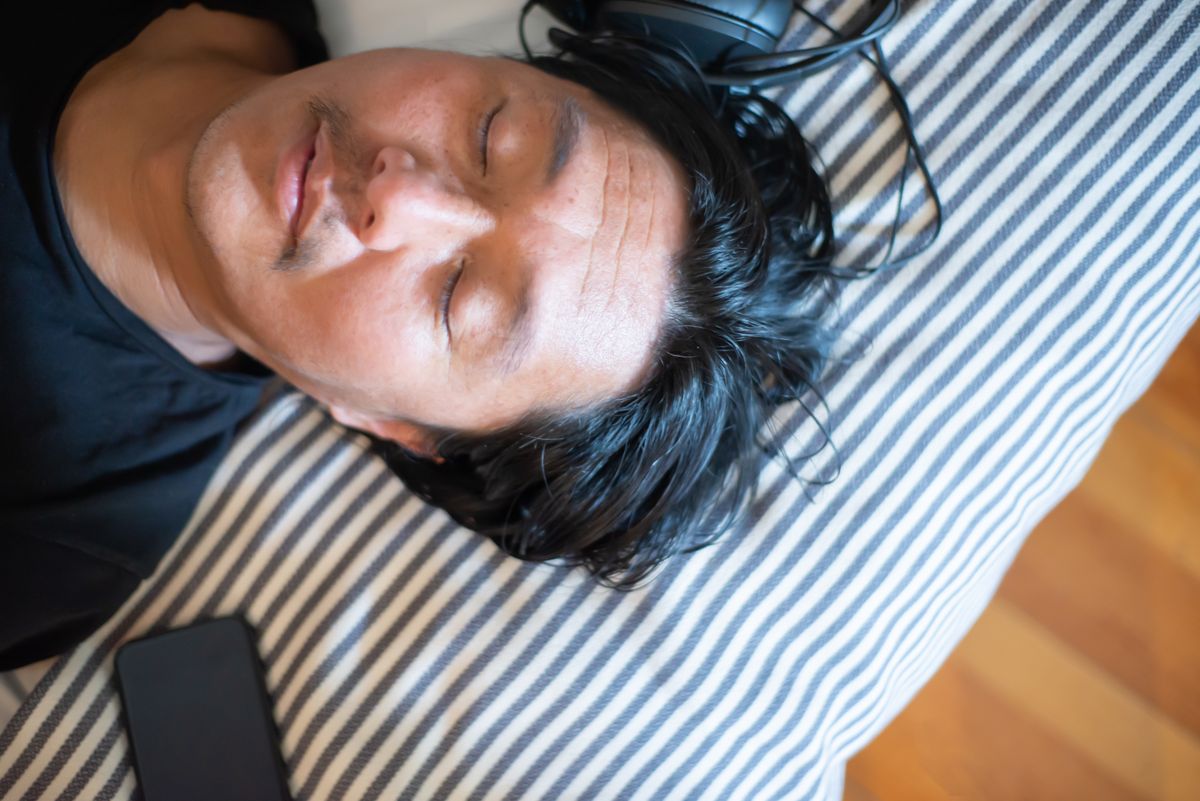
This experience does not depend on randomly playing any calm sound. It requires choosing the right trigger, preparing the surrounding environment, and listening at a comfortable volume level. Each person also responds differently, so it is better to treat it as a personal routine that can be tested and adjusted, whether the goal is to enhance relaxation or help with deep sleep.
ASMR Music to Enhance Comfort and Mental Clarity
It is important to use it at a suitable moment and in a way that allows the body and mind to gradually move into a state of calmness. This can be achieved through the following steps:
Start with simple sounds such as calm whispering, light tapping, the sound of rain, or turning pages, then notice which type makes you calm without causing discomfort or tension.
Try to reduce sources of disturbance around you, such as strong lighting or repeated notifications, because a quiet environment helps the brain focus on the sound and respond to it better.
You do not need a loud sound for it to be effective, because raising the volume may cause tension and discomfort. Therefore, keep the volume soft for the ear.
Take slow and regular breaths, because combining calm sound with conscious breathing may enhance the feeling of comfort and reduce mental preoccupation.
If you do not feel comfortable from the first clip, this does not mean that ASMR does not suit you. You may need to try different types until you find the sound that works well with you.
What Is the Best Sound for Deep Sleep?
The goal of using this experience before sleep lies in helping the body gradually enter a calm atmosphere. To achieve a better experience, follow these tips:
It is preferable to use calm and regular sounds such as light rain, white noise, soft whispering, or slow sounds that do not contain sharp transitions that may awaken attention.
Make listening part of your evening routine for 10 to 30 minutes, because repeating the experience at the same time daily helps the brain connect these sounds with relaxation and preparation for sleep.
It is better to set a timer so the sound does not continue throughout the night, especially if you use a phone or headphones. This helps reduce disturbance and protects ear comfort.
Choose calm clips that are free from sudden sections or loud ads, because any unexpected sound may interrupt the state of relaxation and reactivate the mind.
Audio clips can be a supportive part of a sleep routine, but they are not considered a treatment for ongoing sleep disorders. In this case, it is better to consult a specialist.
Frequently Asked Questions
After learning about the meaning of this phenomenon, its triggers, and its possible psychological benefits, the reader may still have some practical questions about why the response differs from one person to another, how to choose suitable sounds, and whether it can be used before sleep. Below are simplified answers to the most common questions related to this experience.
Why Do I Feel Comfortable When Hearing Certain Sounds?
This may happen because some calm and repeated sounds, such as whispering or the sound of rain, may help the brain focus on a simple trigger instead of overlapping thoughts. Therefore, they give some people a feeling of calmness and relaxation.
Is Tingling or Chills When Hearing a Calm Sound Normal?
Yes, this feeling may be normal for some people, especially if it appears with soft sounds or slow and relaxing scenes. It is often described as a pleasant feeling that starts from the scalp or neck and is connected to comfort.
Why Am I Not Affected by Sounds That Comfort Others?
Because the response to auditory and visual triggers differs from one person to another. Whispering may be comfortable for one person, while another may find it annoying or ineffective, and this does not mean there is a problem.
Can Calm Sounds Be Used Before Sleep?
Yes, they can be used as part of a relaxing evening routine, especially if the sounds are steady and not sudden. However, it is not preferable to rely on them alone when repeated sleep disorders are present.
How Do I Choose the Right Sound for Me?
Start with simple and low sounds such as rain, turning pages, or light tapping, then notice your response. In addition, the right sound is the one that makes you feel calm without tension or distraction.
In the end, the appeal of ASMR sounds for relaxation lies in their simplicity and their ability to turn an ordinary moment into a calm space. Whether you are looking for the best sound for deep sleep, want to understand the autonomous sensory meridian response, or wish to try it as part of your daily routine, remember that the experience is personal and requires awareness and experimentation.
Discover more useful and diverse articles on the Mawj application blog, and learn practical tips in self-development and mental health that help you build a positive lifestyle suitable for your daily needs. For a more personalized experience, download the application and enjoy audio sessions designed especially for you, including relaxation and meditation, deep sleep, and naps, in addition to many services and features waiting for you.
This article is dedicated to educational and awareness purposes only, and is not considered a substitute for specialized medical or psychological consultation. Please always consult specialists when needed.