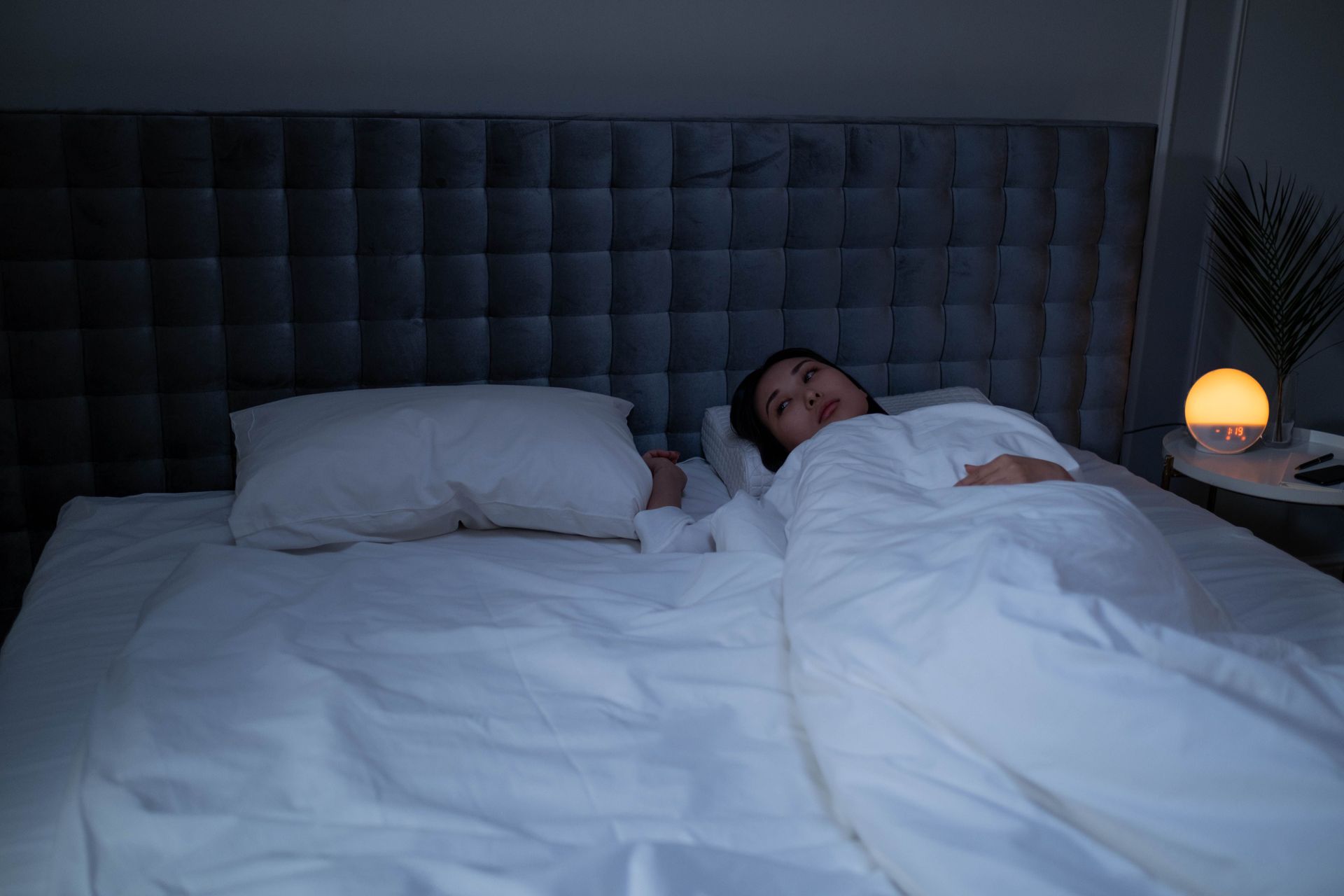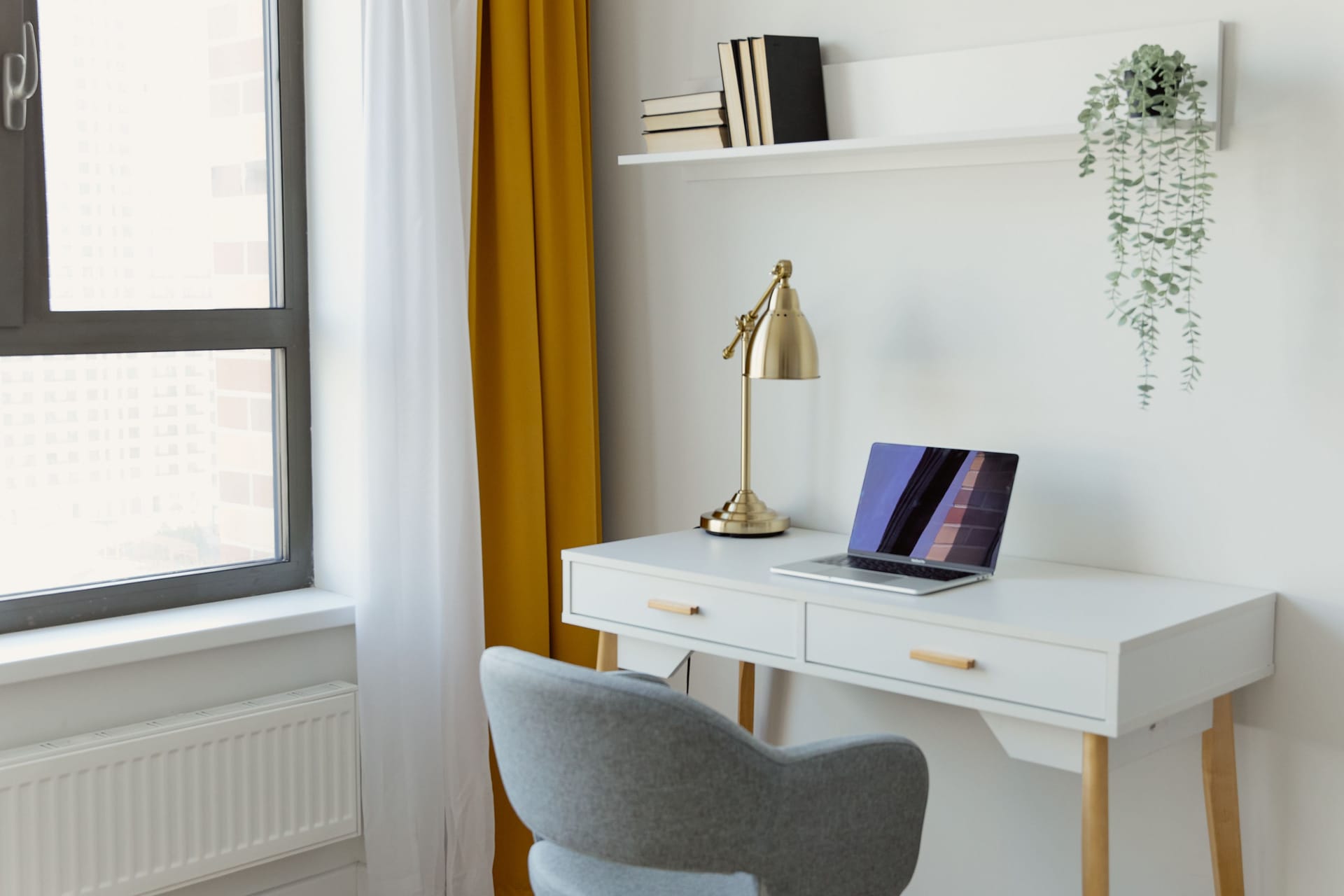
The room you sleep in is not just walls and a floor. It is a living memory. When you open your eyes in the morning to the exact same place where you work until the evening, things get mixed up. You feel as if you are living inside a machine that never stops, or as if the bed is silently watching you, reminding you of the rest you are being deprived of.
Many people look for ideas on arranging a study desk in small homes, or wonder how to create a study space in my crowded room, without finding an answer that touches their reality. This article rethinks home study desk organization with a simple logic: your body needs boundaries, your eyes need light that respects their rhythm, and your mind needs true silence. We will go through practical steps, from the visual separation between the bed and the desk, to choosing the proper study room lighting that does not steal your sleep.
Visual Boundaries: When the Bed is Next to the Desk
Separating Sleep from Work
The bed must remain for sleeping only. When you study on the same bed, your brain learns that this spot is a place for wakefulness, causing your sleep to be delayed later and turning the room into an arena of stress. The solution is not to build walls. Place a visual barrier: a heavy curtain, a mobile shelf, or a wooden board that blocks the view. Face your desk toward the wall or the window, and keep the bed behind your back. The signals of comfort are removed from your field of vision, and the mind calms down. And when you finish, cover the station with a soft cover. A simple signal: focus time is over, and recovery time has begun.
Sensory Engineering: Silence, Light, and Clutter
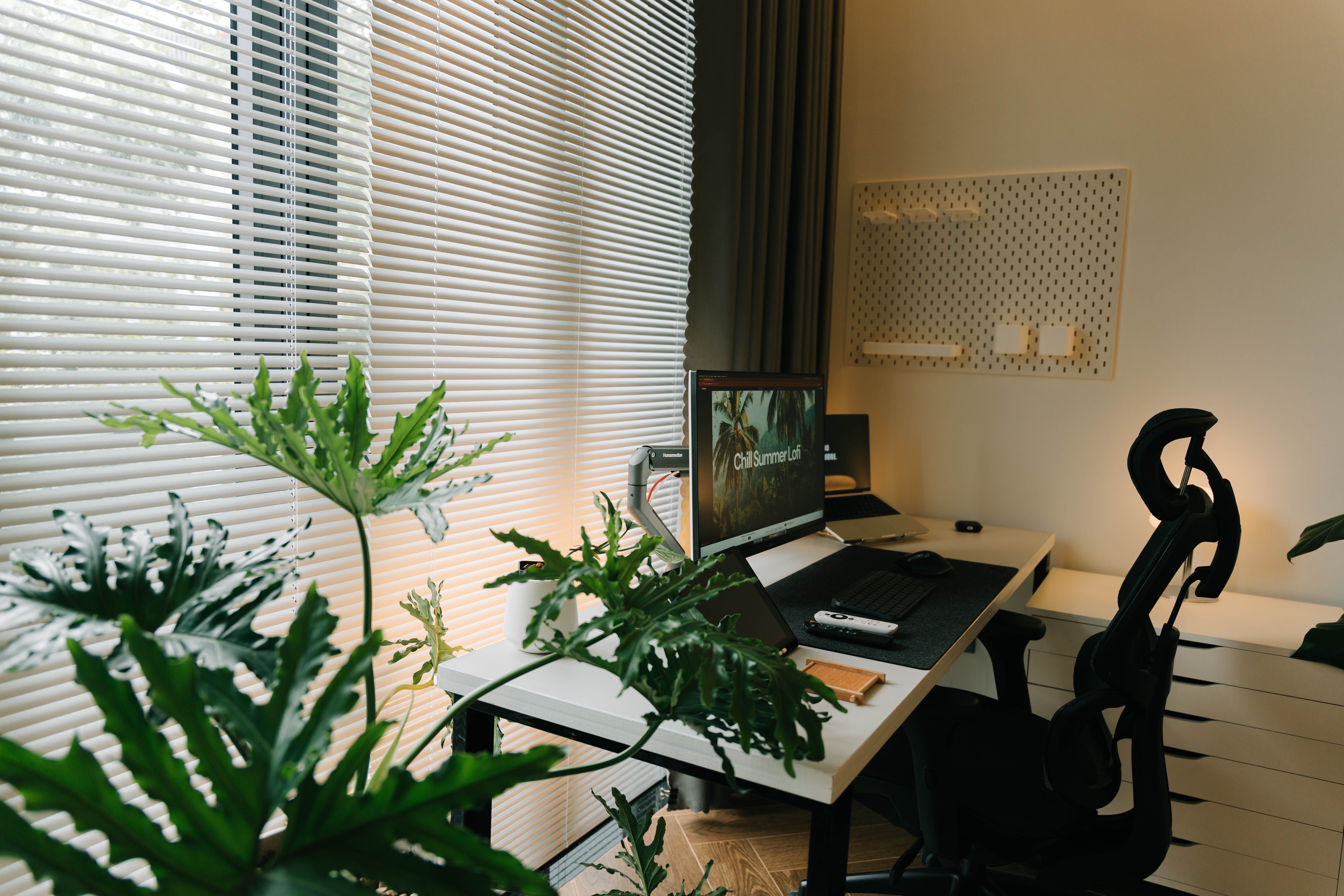
Clutter on the desk is not just a lack of organization. It is visual noise that steals attention without you noticing. Keep the surface as empty as possible. Use opaque boxes for wires. As for sound, there is no need for expensive soundproofing panels. Rubber adhesive around the door frame closes the air holes through which the sound of the family sneaks in. Add a fabric draft stopper at the bottom of the door, and hang a heavy blanket on shared walls to reduce echo. For lighting, place the screen at a ninety-degree angle from the window, as direct sunlight strains the eye and reduces text clarity; do not darken the room, but direct the light intelligently.
The Body and the Chair: A Non-Harmful Posture
A back-friendly chair is not a luxury. Keep your ankles, knees, and hip joints at a right angle, and your arms parallel to the ground. The top of the screen should be at eye level or slightly lower, at an arm's length away. If you cannot adjust the desk height, use a footrest. And do not forget: every thirty minutes, stand up. Two minutes of walking return blood to your muscles and keep your mind awake.
Prolonged sitting weighs heavily on your back without you noticing, and simple movement rescues it.

Light and the Internal Clock: A Rhythm That Respects the Night
Light is not just brightness. It is a language your brain speaks. In the morning, use cool white lighting exceeding 4000 K to simulate daytime and keep your alertness high. But in the evening, transition to warm lighting that does not exceed 2700 K, and reduce the light of screens. The best light color temperature for night studying is the one that does not steal your sleep after you close the book. Your studying does not deserve to be at the expense of your night's rest.
Practical Tips:
Quick visual zone: Use a shelf or a barrier to hide the bed from your eyes while working.
Clean the surface: Remove what you are not using right now. Clutter consumes hidden focus.
Close the holes: Rubber adhesive for the door, a fabric draft stopper at the bottom, and a heavy blanket on the shared wall.
Respect the angles: Ankle, knee, hip, and elbow in an upright position. The screen at an arm's length.
Variable light: Cold and strong in the morning, warm and dim in the evening. Turn off devices two hours before bed.
Water and movement: A water bottle on the desk, and a short stand every half hour.
Designing a study or work environment at home is not a massive architectural construction. It is a set of small decisions that tell your mind and body that this place is safe for focus, and that there are clear boundaries between wakefulness and rest. When you respect these boundaries, the chair stops being a prison and becomes a place where you accomplish what you want. If you are wondering how to focus on studying at home, start with one step today. Change the direction of the desk, turn off the blue light, or place a water bottle near your hand. Real change starts from these simple touches that remind you that you are not a machine.
Are you searching for deeper peace that completes what you started at home? Try the Emotional Recovery channel on the Mawj app, where guided voices help you restore inner balance after a day of organizing and reflection.
This article is intended for educational and informational purposes only and is not considered a substitute for specialized medical or psychological consultation. Please always consult professionals when needed.