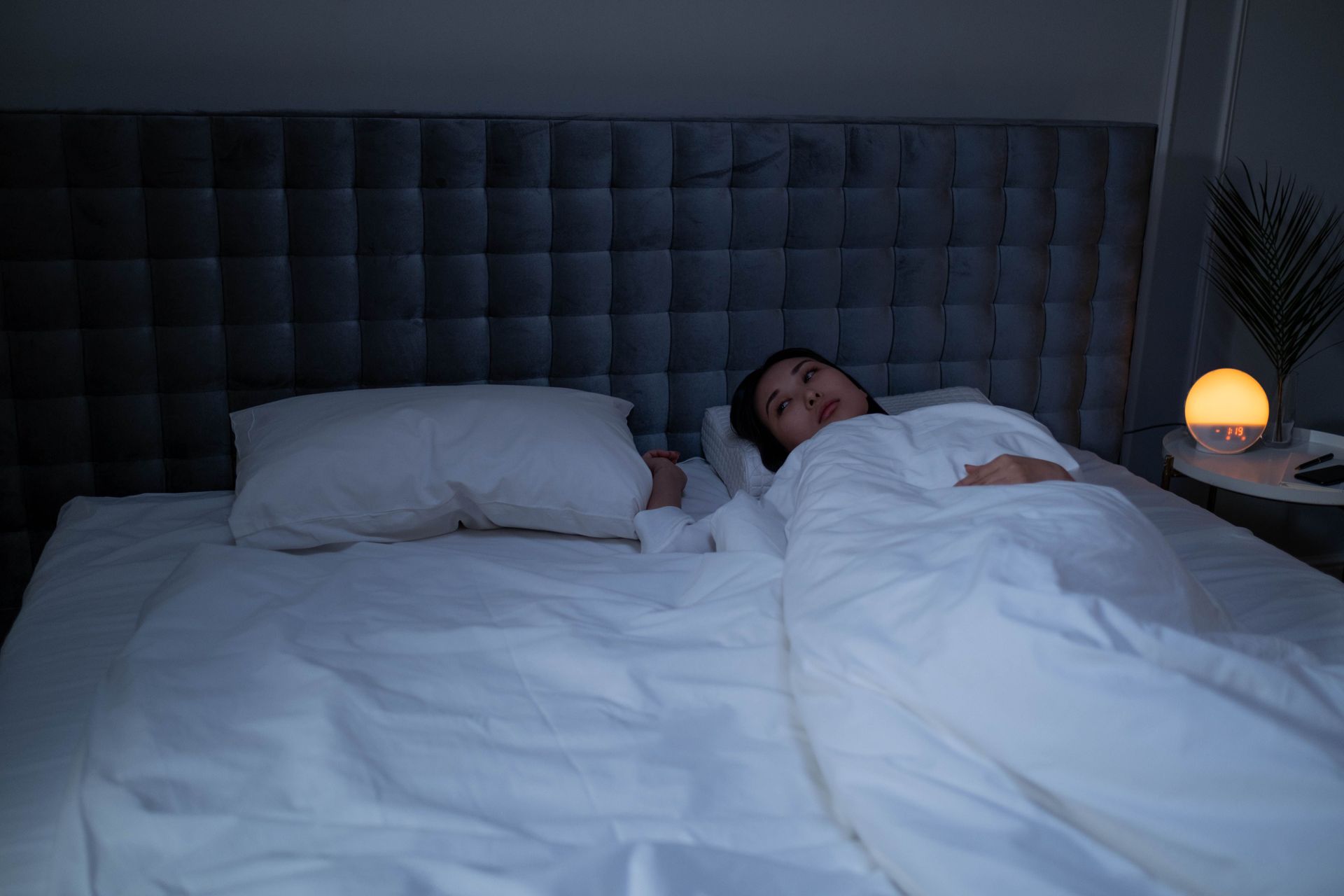
Insomnia is one of the most common sleep disorders in modern times, where lying in bed turns from an opportunity to rest and recharge into an exhausting struggle with overthinking and conflicting emotions. Its impact extends beyond nighttime hours, draining your energy, mental health, and physical well-being throughout the day.
If you spend hours tossing and turning or wake up in the middle of the night unable to fall back asleep, you are not alone. This educational guide helps you understand the nature of insomnia, explore its various causes, and adopt scientific and practical steps to restore deep sleep.
What Is Insomnia and What Are Its Types?
Insomnia is defined as a persistent difficulty initiating sleep, maintaining sleep, or waking up too early without being able to fall back asleep, despite having adequate opportunity and conditions to sleep.
Main Types of Insomnia
Short-Term Insomnia (Acute): Lasts for a few days or weeks and often stems from stressful life events, such as career changes, exams, or emotional crises.
Chronic Insomnia: Occurs when the problem repeats at least 3 nights per week and persists for 3 months or longer, typically linked to deeper psychological or behavioral factors.

Common Causes of Insomnia
The reasons why the mind and body remain in an unwanted state of alertness are diverse and span several dimensions:
1. Psychological Causes
Stress and Anxiety: Fear of the future and cognitive rumination over problems are the primary triggers for insomnia.
Depression: Alterations in brain chemistry associated with depression lead to noticeable disruptions in sleep patterns.
2. Daily Habits and Behaviors
Screen Use: Blue light emitted from smartphones and electronic devices reduces the secretion of the sleep hormone (melatonin).
Irregular Sleep Schedule: Inconsistency in sleep and wake times confuses the body's biological clock.
Dietary Factors: Consuming caffeine or heavy meals late at night.
3. Environmental and Physical Factors
Unsuitable Sleep Environment: Bright lighting, noise, or high room temperatures.
Health Issues and Chronic Pain: Such as back pain, shortness of breath, or digestive disorders.
Realistic Scenario: A Night with Overthinking-Induced Insomnia
To illustrate how insomnia unfolds in daily life, consider this common experience:
Samer lies in bed at 11:00 PM, but he begins reviewing the day's events and worrying about demanding tasks awaiting him tomorrow. An hour passes without sleep, and he checks the clock to find it is 12:30 AM. Samer starts to panic: "If I don't sleep now, I won't be able to focus at work tomorrow."
This psychological pressure increases cortisol and adrenaline levels, speeding up his pulse and heightening alertness, leaving him awake until the early morning hours. This scenario accurately demonstrates how anxiety about insomnia becomes an additional trigger that feeds the insomnia itself.

Ways to Treat and Prevent Insomnia
Overcoming insomnia requires a comprehensive plan that modifies daily habits and soothes the nervous system:
1. Adhering to Sleep Hygiene Rules
Consistent Schedules: Wake up and go to sleep at the same time daily to reinforce circadian rhythm.
Preparing the Room: Keep the bedroom quiet, dark, and slightly cool.
Disconnecting Screens: Stop using smartphones and devices at least one hour before bed.
2. Applying the 20-Minute Rule
If you cannot fall asleep within 20 minutes, do not stay in bed wrestling with your thoughts. Get out of bed, engage in a quiet activity like reading under dim light, and return to bed only when feeling sleepy again.
3. Relaxation and Mindfulness Techniques
Slow Abdominal Breathing: Helps lower heart rate and send safety signals to the brain.
Brain Dump: Write down worries and tasks on paper before bed to clear them from your mind.
4. Cognitive Behavioral Therapy for Insomnia (CBT-I)
Considered the gold standard and most effective first-line treatment for chronic insomnia globally, CBT-I helps you modify unhelpful behaviors and thoughts about sleep under professional guidance.
Frequently Asked Questions (FAQ)
Are sleeping pills the best solution for insomnia?
Sleeping pills may offer a temporary fix in acute situations, but they do not address the root cause and can lead to dependence. It is always preferable to start with behavioral modifications and professional consultation.
What is the difference between short-term and chronic insomnia?
Short-term insomnia is temporary, linked to a specific event, and resolves once the situation passes. Chronic insomnia lasts for more than 3 months and requires a structured treatment plan and lifestyle changes.
When should I see a doctor or specialist?
If insomnia persists for more than a month and directly affects your concentration, mood, daily performance, or ability to drive safely.
Your First Step Toward Better Sleep
Overcoming insomnia is not impossible; it is a gradual journey that begins with rebuilding your relationship with sleep and your bed. Pick one simple step to implement tonight—such as putting your phone away or writing your thoughts on paper—and remember that consulting a mental health professional is the most essential step toward recovery and inner peace.