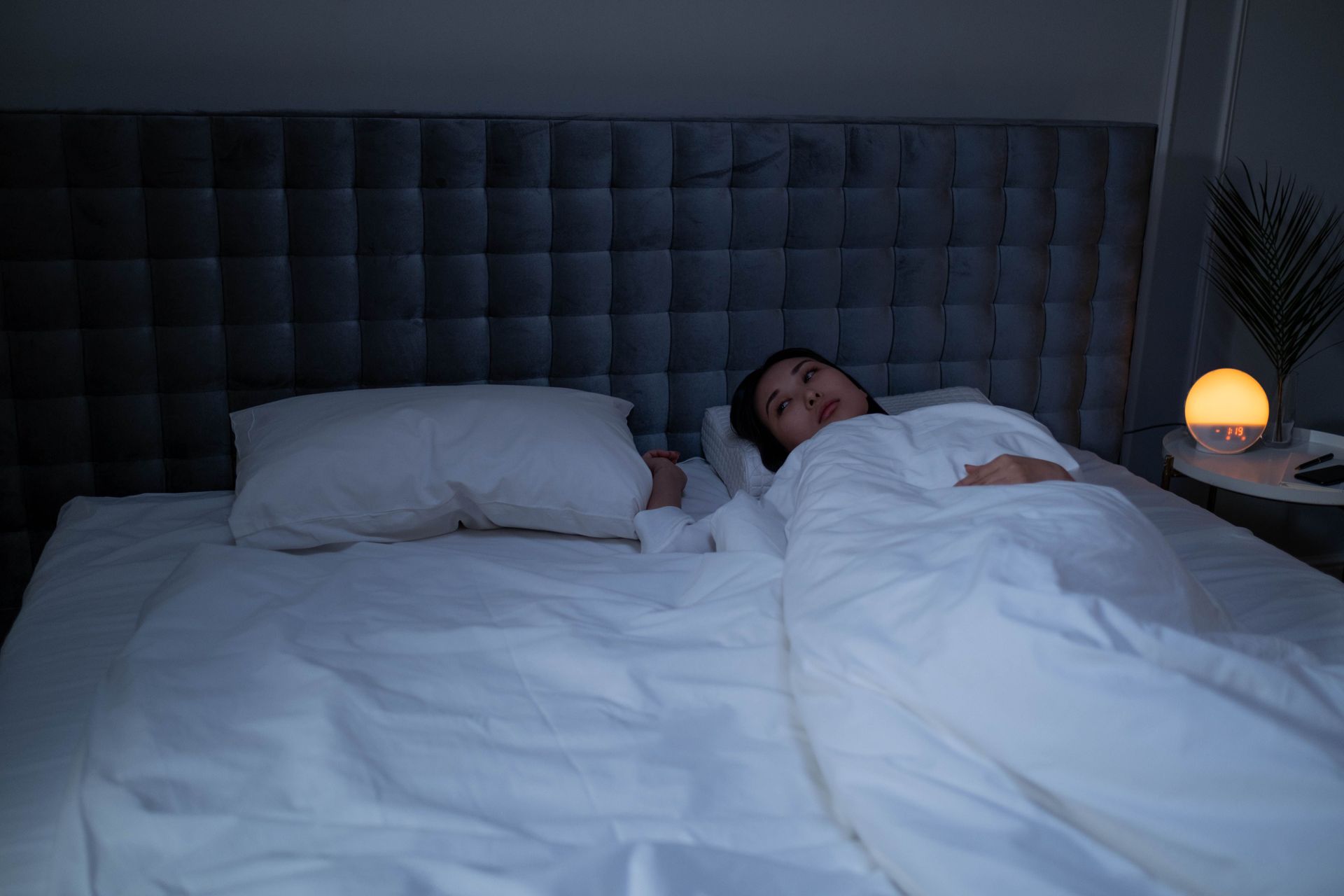
Deep, restful sleep is one of the fundamental pillars of physical and mental health. With the demands of modern life and rising stress levels, insomnia has become a widespread challenge troubling millions worldwide. While medication and sleeping pills may offer a quick fix, long-term reliance on them carries risks of habituation and various side effects.
Fortunately, the body and mind possess a natural ability to reset sleep patterns when provided with the right environment and behaviors. Treating insomnia without medication relies on lifestyle adjustments, optimizing the sleep environment, and using scientifically backed relaxation techniques to soothe the nervous system and stimulate the release of natural sleep hormones.
1. Sleep Hygiene Rules: The Natural Foundation for Deep Sleep
"Sleep hygiene" refers to daily practices and habits that help the brain differentiate between waking hours and rest time:
Consistent Sleep and Wake Times: Going to bed and waking up at the same time every day—even on weekends—strengthens the stability of your circadian rhythm.
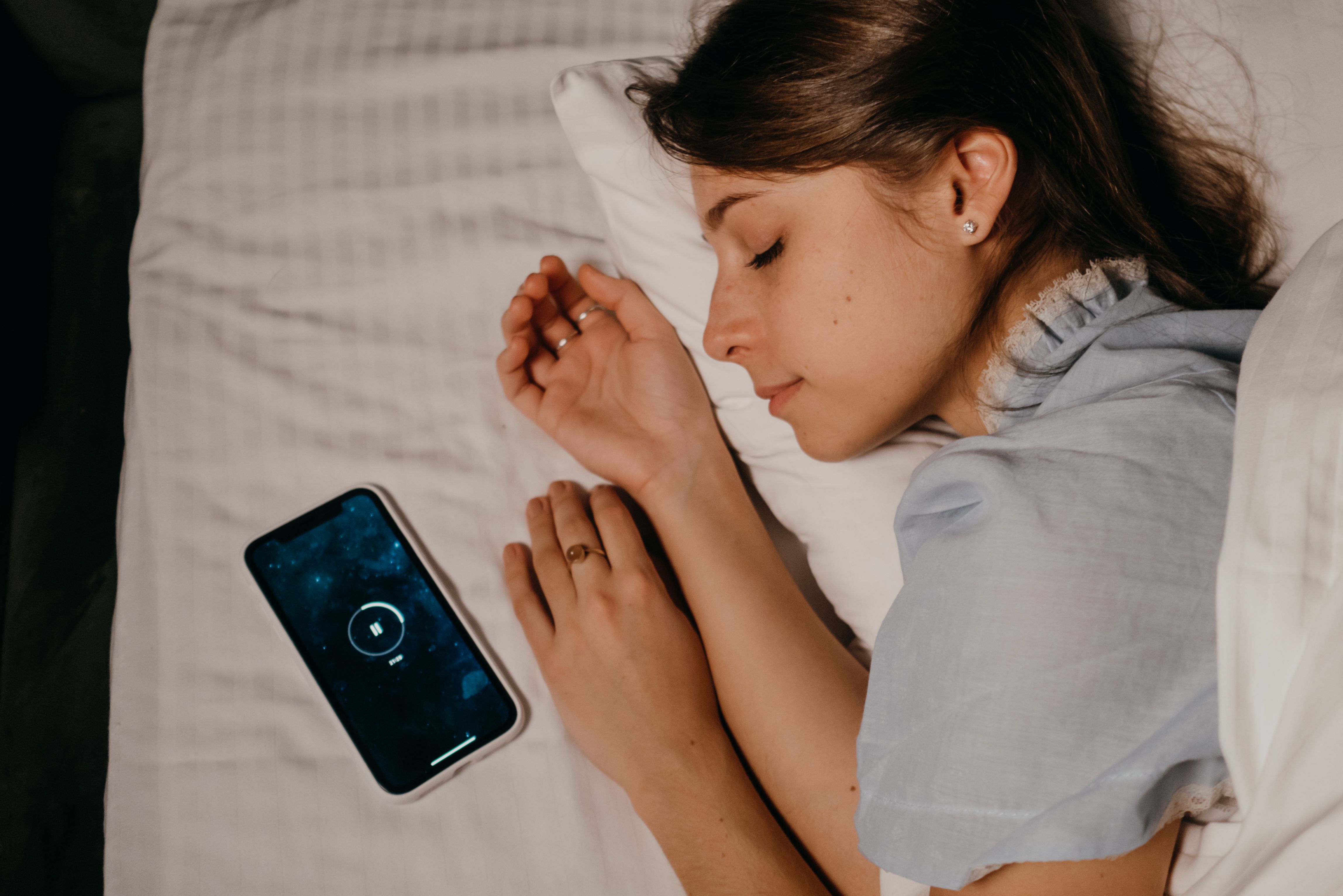
Eliminating Electronic Screens: Phones and computers emit blue light that suppresses the secretion of melatonin (the sleep hormone). It is best to turn off screens at least an hour before bed.
Optimizing the Bedroom Environment: Keep the bedroom dark, quiet, and at a moderate, slightly cool temperature (between 18°C and 21°C / 65°F and 70°F), as the body's natural temperature drops in preparation for sleep.
2. Relaxation and Breathing Techniques to Soothe the Nervous System
Insomnia often occurs due to the hyperactivity of the sympathetic nervous system (the fight-or-flight state). The following exercises help activate the parasympathetic nervous system, which is responsible for calm and rest:
A. The 4-7-8 Breathing Technique
Inhale quietly through your nose for 4 seconds.
Hold your breath for 7 seconds.
Exhale completely and slowly through your mouth for 8 seconds.
Repeat the cycle 4 times to slow down heart rate and reduce tension.
B. Progressive Muscle Relaxation (PMR)
Tense muscle groups in your body (starting from your toes up to your facial muscles) for 5 seconds, then release them completely while focusing on the sensation of relaxation. This exercise helps the brain release stored physical tension.
C. Brain Dump Journaling
If your mind is busy worrying about tomorrow's tasks, grab a pen and paper and write down everything troubling you before getting into bed. Offloading thoughts from your head onto paper signals to your subconscious mind that these tasks are safely documented and can be handled tomorrow.
Note: Avoid consuming caffeine (coffee, tea, soft drinks) after 2:00 PM, and avoid heavy meals 2 to 3 hours before sleep.
Realistic Scenario: How Maryam Restored Her Natural Sleep
Maryam (32) suffered from insomnia for two hours every night due to overthinking work commitments. She used to spend that time scrolling through her phone in bed, which increased her tension and eye strain.
Maryam's natural action plan:
Changing the Environment: She removed the TV and phone from the bedroom and used dim lighting an hour before bed.
Relaxation Routine: She started drinking a cup of warm chamomile tea and reading a light paperback book.
Applying the 20-Minute Rule: When having difficulty falling asleep, she got out of bed to sit in a dimly lit space and practiced the 4-7-8 breathing technique until feeling sleepy again, then returned to bed.
The Result: Within two weeks of consistency, the time it took her to fall asleep decreased to under 20 minutes, with a noticeable improvement in her morning energy and vitality.
Frequently Asked Questions (FAQ)
How long do natural methods take to show tangible results?
Individual responses vary, but most people notice gradual improvement within 7 to 21 days of consistent adherence to sleep hygiene rules and relaxation techniques.
What should I do if I wake up in the middle of the night and cannot fall back asleep?
Do not stay in bed tossing and turning for more than 20 minutes. Get up, sit in a dimly lit area, and engage in a calming activity (such as reading or deep breathing) until your body feels sleepy again.
When does insomnia require consulting a specialist?
If insomnia persists for more than 3 continuous months (chronic insomnia), or if it is accompanied by other symptoms like shortness of breath during sleep or severe snoring, a specialist should be consulted for evaluation.
Your First Step Toward Peaceful and Stable Sleep
Treating insomnia without medication is not just a temporary solution; it is an investment in your overall health and a rebuilding of your relationship with sleep. Start tonight with one simple step: turn off your phone screen an hour before bed, practice slow breathing exercises, and give your body the opportunity to restore its natural balance.