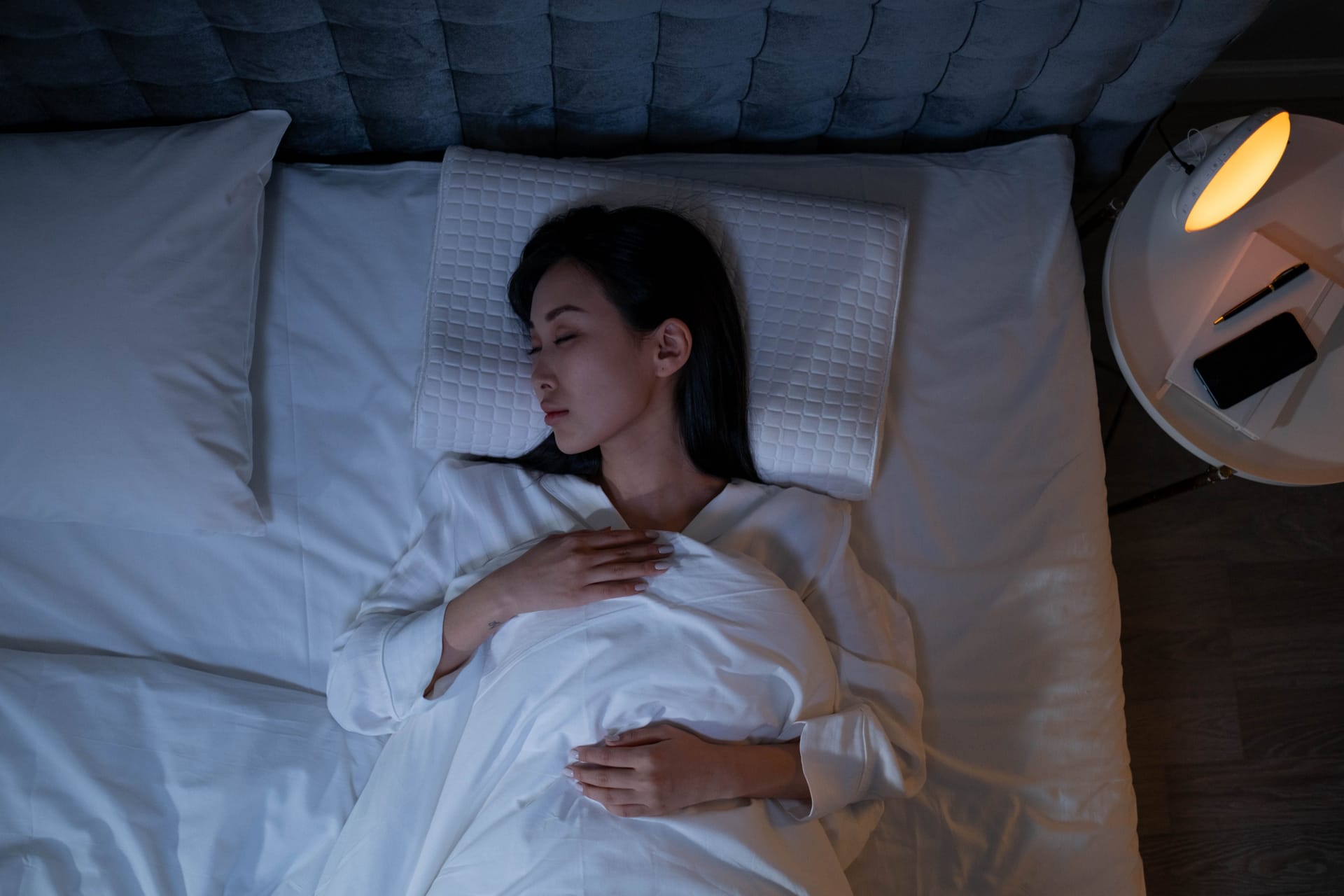
When lying in bed waiting to fall asleep, a person often faces two primary obstacles: sudden, distracting environmental noises (such as traffic or household sounds) or internal noise manifested as racing thoughts and anxiety. Here, sleep sounds serve as an effective tool grounded in sound physics and neuroscience to soothe the nervous system and induce relaxation.
These sounds range from what is known as "color noises" to sound frequencies specifically designed to harmonize with brainwaves. This comprehensive guide aims to clarify the differences between these sounds and how to choose the most suitable options to help you drift into deep, stable sleep.
What Are Color Noises? The Difference Between White, Pink, and Brown Noise
Acoustic noise is classified into different colors based on how energy is distributed across various sound frequencies:
1. White Noise
Characteristics and Distribution: Contains all frequencies audible to the human ear (20 to 20,000 Hz) with equal power and energy across all frequencies.
Common Sound: Similar to television static, a running fan, or the hum of an air conditioner.
Functional Impact: Features high sound masking properties, creating a continuous acoustic wall that blocks sudden noises that might wake you up.
2. Pink Noise
Characteristics and Distribution: Also contains all frequencies, but with higher density in lower frequencies (bass) and a gradual decrease in higher frequencies.
Common Sound: Similar to steady rainfall, babbling water, or gentle wind through trees.
Functional Impact: Considered softer and more pleasant to the human ear compared to white noise. Studies suggest pink noise enhances slow-wave sleep, which is the most restorative and energy-replenishing sleep stage.
3. Brown Noise
Characteristics and Distribution: Focuses even more heavily on lower frequencies with a steeper drop in higher frequencies, giving it a warmer and deeper tone.
Common Sound: Similar to the heavy roar of a waterfall or distant thunder.
Functional Impact: Significantly helps quiet racing thoughts and ease tinnitus, making it a favorite for those who find white noise too harsh.
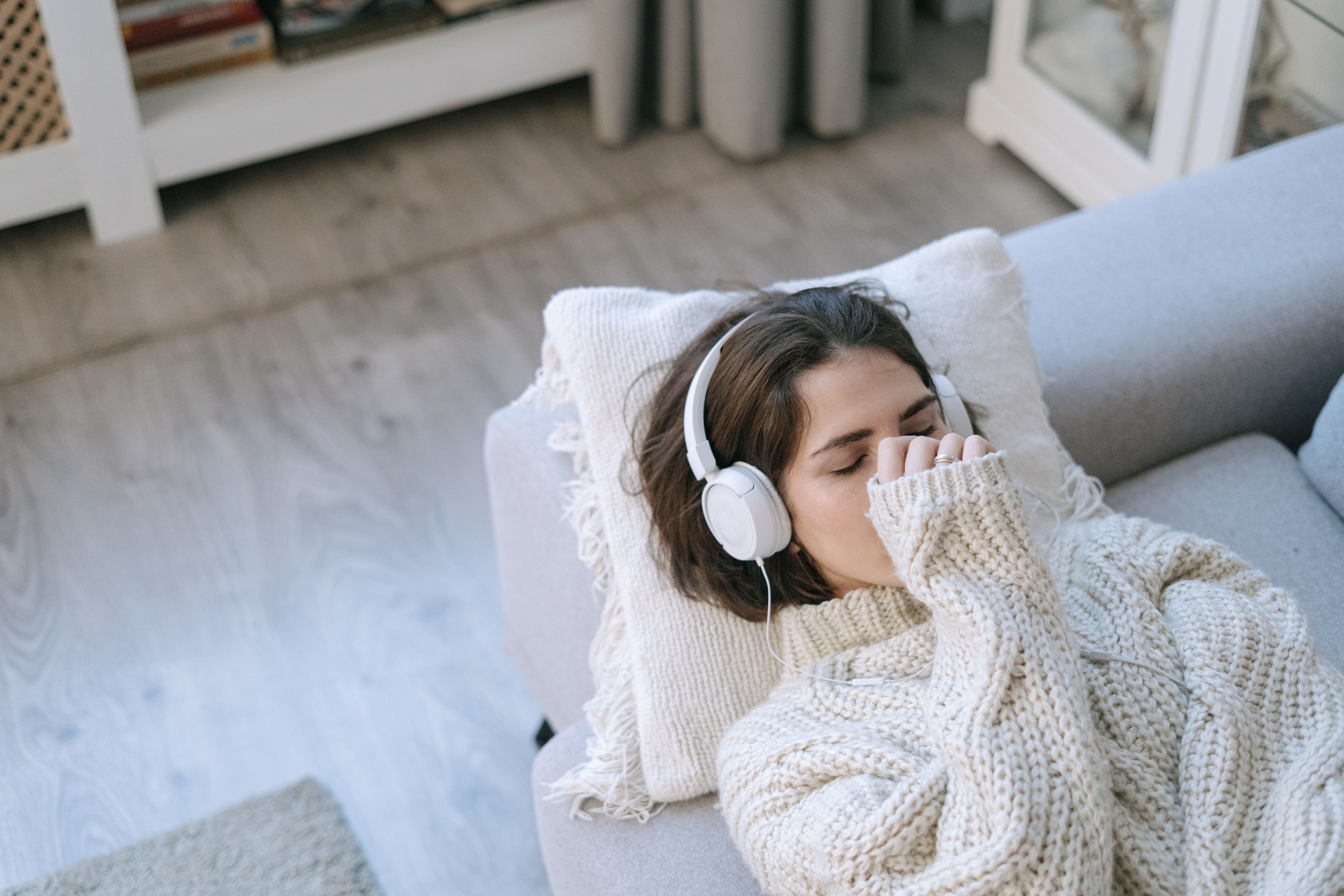
How Audio Tones and Frequencies Help Soothe the Mind
Sleep sounds are not limited to noise colors; they also include targeted frequencies and tones that influence the brain's electrical activity through a mechanism known as brainwave entrainment.
1. Stimulating Relaxation and Sleep Waves (Theta and Delta)
The brain produces different electrical waves depending on its mental state. When playing audio tones at specific frequency differences, the brain adapts and synchronizes with them:
Theta Waves (4–8 Hz): Associated with drowsiness and deep meditative relaxation.
Delta Waves (0.5–4 Hz): Linked to deep sleep, physical repair, and neurological restoration.
2. Binaural Beats
This technique relies on presenting two slightly different frequencies to each ear separately through headphones. For example, if a 200 Hz tone is played in the right ear and a 206 Hz tone in the left ear, the brain processes the 6 Hz difference, encouraging it to enter a relaxed state matching theta waves.
Realistic Scenario: How Pink Noise Helped Samer Avoid Frequent Awakenings
Samer (35) suffered from waking up multiple times during the night due to traffic movement on the street near his house. Every sudden sound snapped his brain back into full alertness, causing morning fatigue.
The Change He Made:
Replaced watching TV before bed with placing a small speaker one meter away from the bed, playing pink noise (gentle rain sounds) at a soft volume.
This continuous sound masked sudden noises coming from the street without feeling harsh or intrusive.
The Result: Sudden awakenings decreased significantly, allowing him to enjoy uninterrupted sleep for several hours.
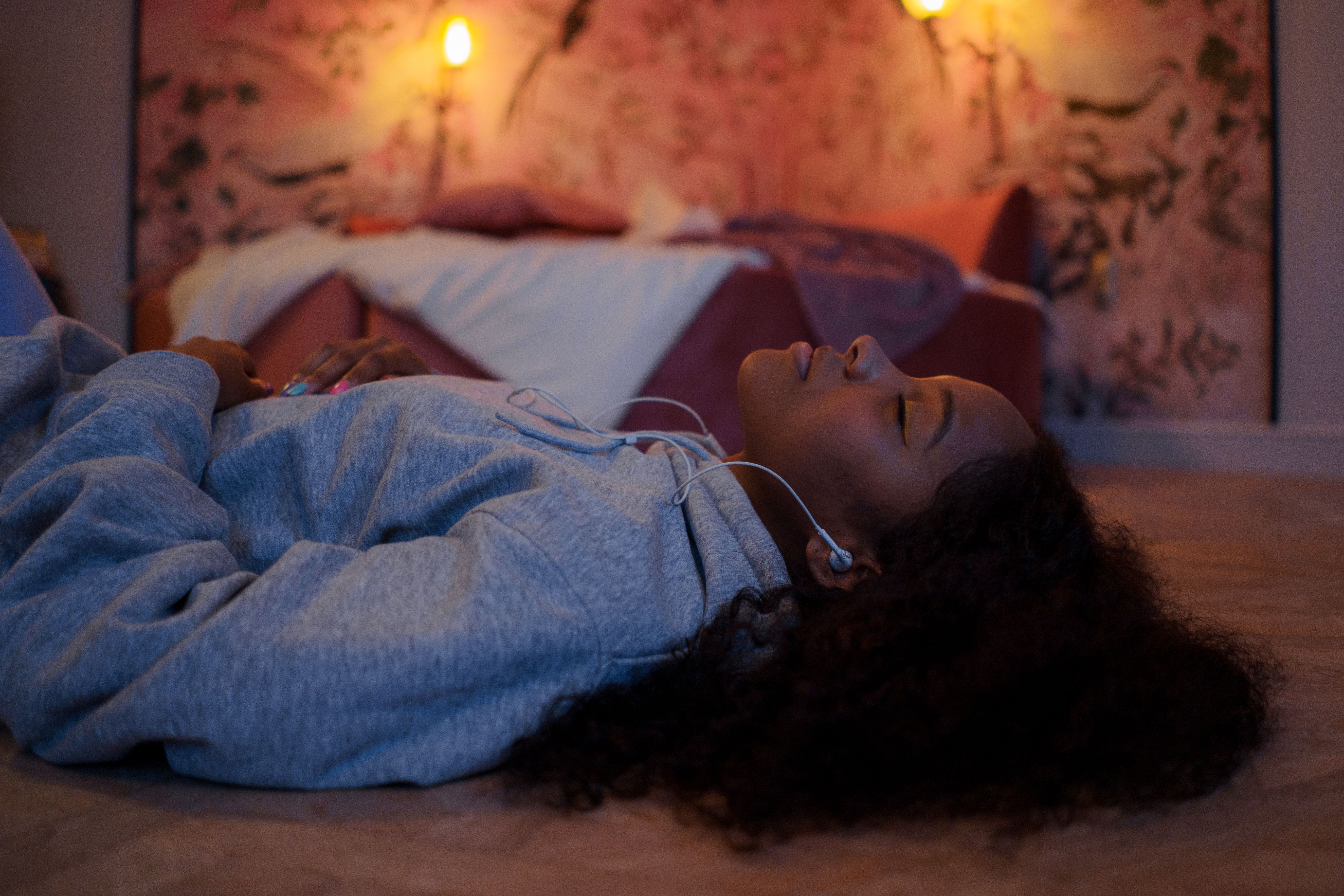
Guidelines for Using Sleep Sounds Safely and Effectively
To ensure maximum benefit without damaging hearing:
Adjust Volume: Keep the volume below 60 dB (the level of normal conversation or slightly lower).
Use External Speakers: Prefer an external room speaker over wearing headphones all night to avoid pressure on the ear canal.
Set a Sleep Timer: Set the sound to play for 30 to 60 minutes, which is enough time to help you drift off to sleep.
Frequently Asked Questions (FAQ)
Can relying on white noise cause an addiction that is hard to break?
Color noises do not cause physical addiction, but the brain may associate the sound with sleep cues. Usage can be gradually reduced by lowering the volume over several days if you wish to stop.
Which color noise is best for infants and children?
White and pink noise are considered very soothing and helpful for infants because they mimic the sounds heard inside the womb, provided the volume is kept low and placed at a safe distance from the crib.
Are frequencies and sleep sounds enough on their own to treat chronic insomnia?
These sounds serve as complementary tools rather than a complete cure for chronic insomnia; they are best combined with sleep hygiene rules, stress management techniques, and a healthy sleep environment.