
Have you ever felt your energy completely evaporate by noon, while your brain refuses to shut off at night? You aren't alone. Millions of people live in a constant battle against their own bodies, trying to squeeze productivity out of exhausted minds while ignoring the natural rhythm that governs every cell inside them. We wake up tired, work without focus, and sleep without rest. But this isn't because we are lazy or weak. It’s because we are fighting a rhythm that is thousands of years old.
The modern world dictates that we wake up at a specific time regardless of our nature, eat at odd hours, and stare at bright screens until midnight. But what if the solution isn't more coffee or harsh discipline? What if the answer simply lies in listening to your body's internal clock? This article will guide you on a practical, calm journey to organize your day around your natural energy peaks. You will learn how to identify your personal rhythm, arrange your work accordingly, and build routines that respect your biology instead of fighting it. Let’s walk this path together toward a more balanced, vibrant, and harmonious daily life.
Your circadian rhythm is your internal 24-hour clock. It influences your sleep, energy, wakefulness, appetite, and even your body temperature. Deep within the brain lies a central region that receives light and dark signals, coordinating the rhythms of organs and cells throughout the body. This internal clock tells you when to feel awake and when to prepare for rest. It is genetically programmed and varies from person to person. Some people naturally wake up with the first rays of the sun, while others' brains only spark into gear after sunset. These differences are known as individual sleep-wake chronotypes. Understanding your personal pattern is the first step toward building a day that flows with you, rather than against you.
How Do Light and Dark Affect Your Rhythm?
Light is the most powerful signal for your circadian rhythm. Morning light suppresses the sleep hormone (melatonin) and tells your body it is time for activity. Evening darkness, on the other hand, stimulates melatonin production and prepares you for rest. The blue light emitted by screens can confuse this ancient system, tricking your brain into thinking it is still daytime. This delays melatonin secretion and pushes your entire rhythm toward a delayed schedule. This is why reducing screen exposure before bed is crucial. Even a few hours of artificial light in the evening can keep your brain on high alert when it should be surrendering to calm.
Why Does Planning by the Circadian Rhythm Work?
Planning your day according to your circadian rhythm helps you tackle deep work when focus is at its highest, and easier tasks when energy is lower. Human cognitive performance isn't uniform; it rises and falls in predictable patterns governed by the interaction between sleep pressure and your internal wake drive. When you align complex tasks with your natural peaks, you improve your productivity without burning out. Conversely, forcing focused work during energy dips leads to poor concentration, increased errors, and extended fatigue. Over time, this conflict creates what is known as "social jetlag". The gap between your biological sleep needs and your imposed social schedule. This gap causes chronic sleep debt and triggers negative outcomes, including cardiovascular stress, metabolic disruption, and flattened hormone rhythms.
The Price of Fighting Your Natural Rhythm
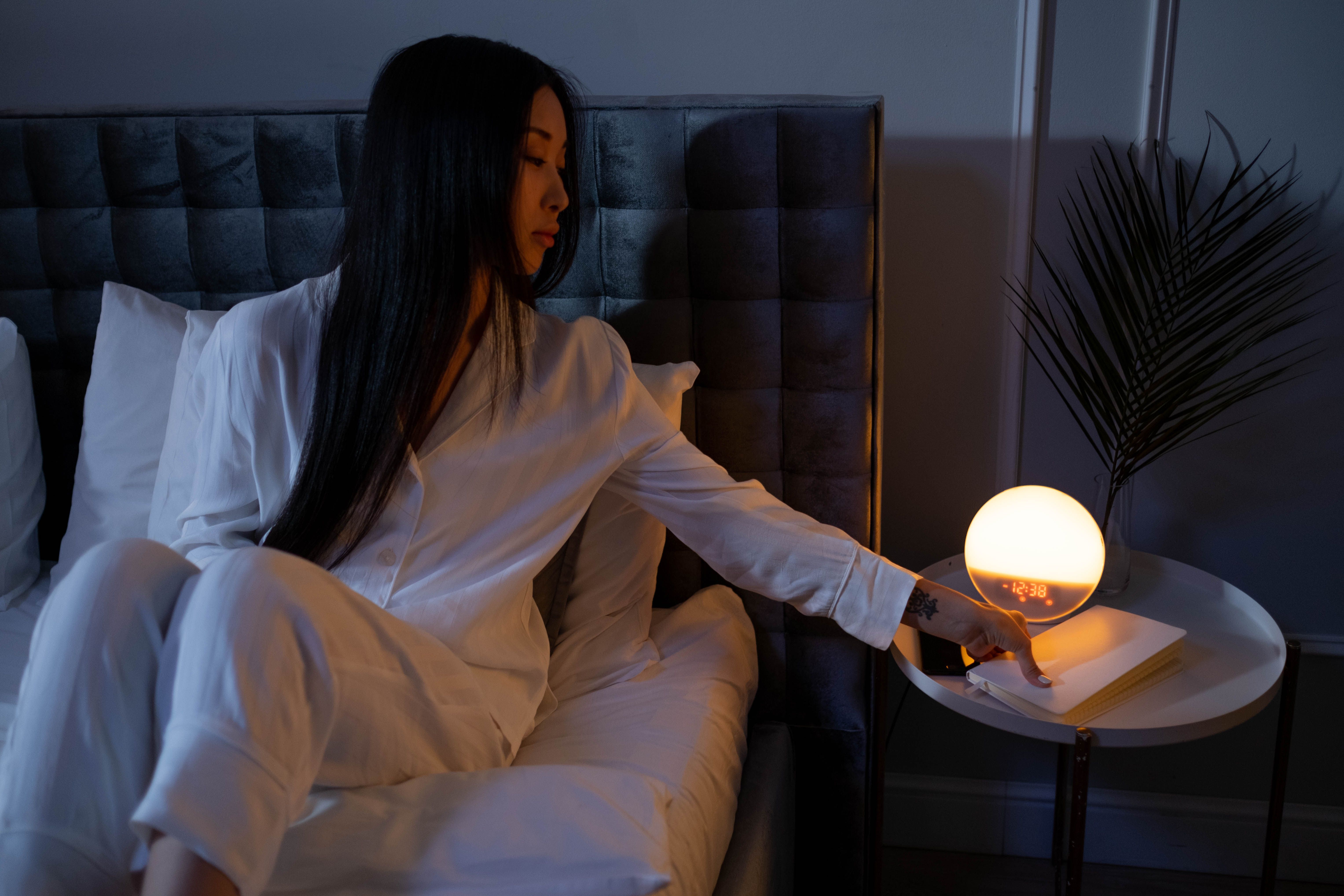
Working against your circadian clock is costly. It doesn't just make you tired; it disrupts hormonal balance, fragments your sleep, and elevates long-term health risks. Irregular sleep timing is linked to a higher body mass index, reduced energy response, and elevated blood lipid levels. The good news is that alignment reverses these trends. By respecting your biological timing, hormone secretions stabilize, sleep fragmentation decreases, and both cognitive performance and metabolic health are supported. Your body knows what it needs. The only problem is that we constantly ignore its signals. Stop fighting.
How to Discover Your Peak Energy Hours
The easiest way to find your peak energy hours is to track your energy, focus, and sleepiness over several days. For five to seven days, rate your alertness in equal time blocks. Notice when your mind feels sharp, when you feel most inclined to collaborate with others, and when you only want to rest. You can also use validated questionnaires to determine if you are a morning lark, an intermediate, or a night owl. These tools provide a reliable behavioral marker of your biological phase. Once you map your personal rhythm, you can pin your most demanding tasks to high-energy windows and reserve low-energy periods for lighter duties. It only takes a little awareness and observation. Start today.
The Best Daily Schedule According to Your Circadian Rhythm
A circadian-friendly day places the hardest work in the morning, routine tasks in the afternoon, and recovery in the evening. This structure respects the natural fluctuations in hormones and body temperature that guide your body through each phase.
Morning: Time for Deep Focus
Morning hours are characterized by a drop in melatonin, a rise in core body temperature, and a peak in wakefulness hormones that rally the body for the day. Get bright light exposure during your first hour awake to suppress melatonin production and boost the transition to activity. Focus on deep work or the most demanding tasks first, when your working memory and executive control are at their highest. Dedicate mid-to-late morning to planning, strategic decisions, and complex problem-solving. This is your golden time. Don't waste it.
Midday: Collaboration and Nourishment
By midday, sleep pressure begins to build, but the body's ability to process energy remains high, making this phase ideal for nutritional and mental transitions. Handle interactive tasks like collaborative meetings, administrative duties, and lighter work. Eat a balanced lunch at a consistent time to support blood sugar control. Include a short walk outside or a 15- to 20-minute break to clear sleep pressure and expose your eyes to bright light. Your body will thank you.
Afternoon: Managing the Energy Dip
The afternoon features a temporary dip in cognitive wakefulness, followed by a peak in physical and muscular efficiency. Focus on moderate-focus tasks like browsing emails, follow-ups, and low-demand administrative projects. Expect a natural energy drop between 2:00 PM and 4:00 PM, and organize your schedule to avoid dense analytical work during this window. If you exercise, late afternoon is ideal because muscle strength, flexibility, and core body temperature reach their peak. Take advantage of this peak.
Evening: Relaxation and Sleep Preparation
As daylight fades, the body prepares for recovery. Core body temperature begins to drop. Shift toward recovery, light movement, and relaxing activities. Reduce exposure to bright lights and digital screens to prevent blue light from suppressing natural melatonin production. Maintain a consistent bedtime to anchor your master clock and support deep, restorative sleep. Give yourself permission to relax.
What to Do at Each Energy Level?
Tackle complex tasks during high-energy periods, and simple tasks during low-energy periods. When your energy is high, dedicate yourself to deep analytical work, writing, studying, and making critical decisions. During medium energy, engage in calls, collaboration, planning, and administrative tasks. When energy drops, focus on organizing files, light stretching, warm baths, and preparing for sleep. Simple. Be kind to yourself.
Morning Routine for Better Alignment
Wake up at the same time every day, even on weekends. This anchors your master clock and reduces social jetlag. Get 15 to 30 minutes of sunlight during your first hour awake. If you feel morning sleepiness, dedicate 20 to 30 minutes of transition with light tasks before starting strenuous work. Drink a glass of water immediately upon waking to support hydration, and engage in light physical activity to help raise body temperature and boost blood circulation. Start gently.
Evening Routine to Protect Your Rhythm
Dim your home's interior lighting and switch to low-intensity, warm light at least two hours before bed. Stop intense work and screen-based entertainment one to two hours before bed to reduce physiological alertness and allow your nervous system to relax. Finish dinner at least three hours before bed to prevent digestive processes from interfering with nighttime recovery. Avoid stressful content that triggers the release of stress hormones. Set a fixed bedtime to stabilize your biological phase and naturally improve sleep quality. Give your mind enough time to wind down.

How Do Meals and Exercise Fit the Schedule?
Eat at regular, predictable times to stabilize daily energy patterns and synchronize your peripheral body clocks. Skipping breakfast can confuse morning hormonal rhythms and lead to compensatory overeating in the evening. Consider eating within a specific time window of eight to ten hours during the daytime. This aligns nutrition with your natural metabolic rhythms and supports better blood sugar control. As for exercise, morning workouts promote an earlier sleep window, while late afternoon workouts take advantage of the physical peak. Avoid intense exercise right before bed, as it raises body temperature and stimulates the nervous system, which can delay sleep onset. Move at the right time.
Common Mistakes That Disrupt the Circadian Rhythm
Waking up at random times prevents the circadian clock from establishing a stable rhythm.
Working on difficult tasks late in the evening raises alertness levels and makes sleep harder.
Using bright screens at night suppresses melatonin and pushes the clock later.
Eating irregularly or having heavy meals before bed disrupts peripheral organ clocks.
Ignoring natural energy dips and pushing through them with excess caffeine confuses sleep pressure and interferes with nighttime rest quality.
Avoid these mistakes.
Simple, Practical Steps You Can Apply Starting Today:
Track your energy for a week. Every hour, note whether you feel high, medium, or low energy. Look for recurring daily patterns.
Get 20 to 30 minutes of natural outdoor light during your first hour awake. This is the single most powerful step to anchor your circadian clock.
Schedule your hardest task in the mid-to-late morning when cognitive alertness naturally peaks.
Eat breakfast and lunch at consistent times. Avoid heavy meals after sunset, as digestion slows down at night.
Start relaxation rituals two hours before bed. Dim the lights, step away from screens, and read a book or listen to calm music.
Maintain the same wake-up time every day, including weekends. Consistency is more important than temporary perfection.
If you feel an afternoon dip, take a short walk instead of reaching for more caffeine, which will impact your sleep later.
Place your exercise in the late afternoon if possible, and avoid intense workouts within three hours of bedtime.
Create a dark, quiet, and slightly cool sleep environment to support natural melatonin production.
Be patient. Change requires consecutive days of consistency before the new clock sets.
Aligning your daily activities with your natural biological patterns isn't a luxury; it is a fundamental pillar of sustainable energy and long-term well-being. You don't need to change your entire life overnight. Start with one small change. Maybe it's the morning light. Maybe it's a consistent bedtime. Trust your body. It already knows the rhythm. You just need to listen. And now, listen.
If you are ready to deepen your focus and add more clarity to your daily tasks, we invite you to explore the Mawj app. Our Focus channel is clinically validated to reduce internal distraction and support more stable mental organization, creating an ideal cognitive environment for sustained attention. Ninety percent of participants reported feeling focused and productively calm while listening. Download the Mawj app today and let science support your natural rhythm.
This article is intended for educational and informational purposes only and is not considered a substitute for specialized medical or psychological consultation. Please always consult professionals when needed.