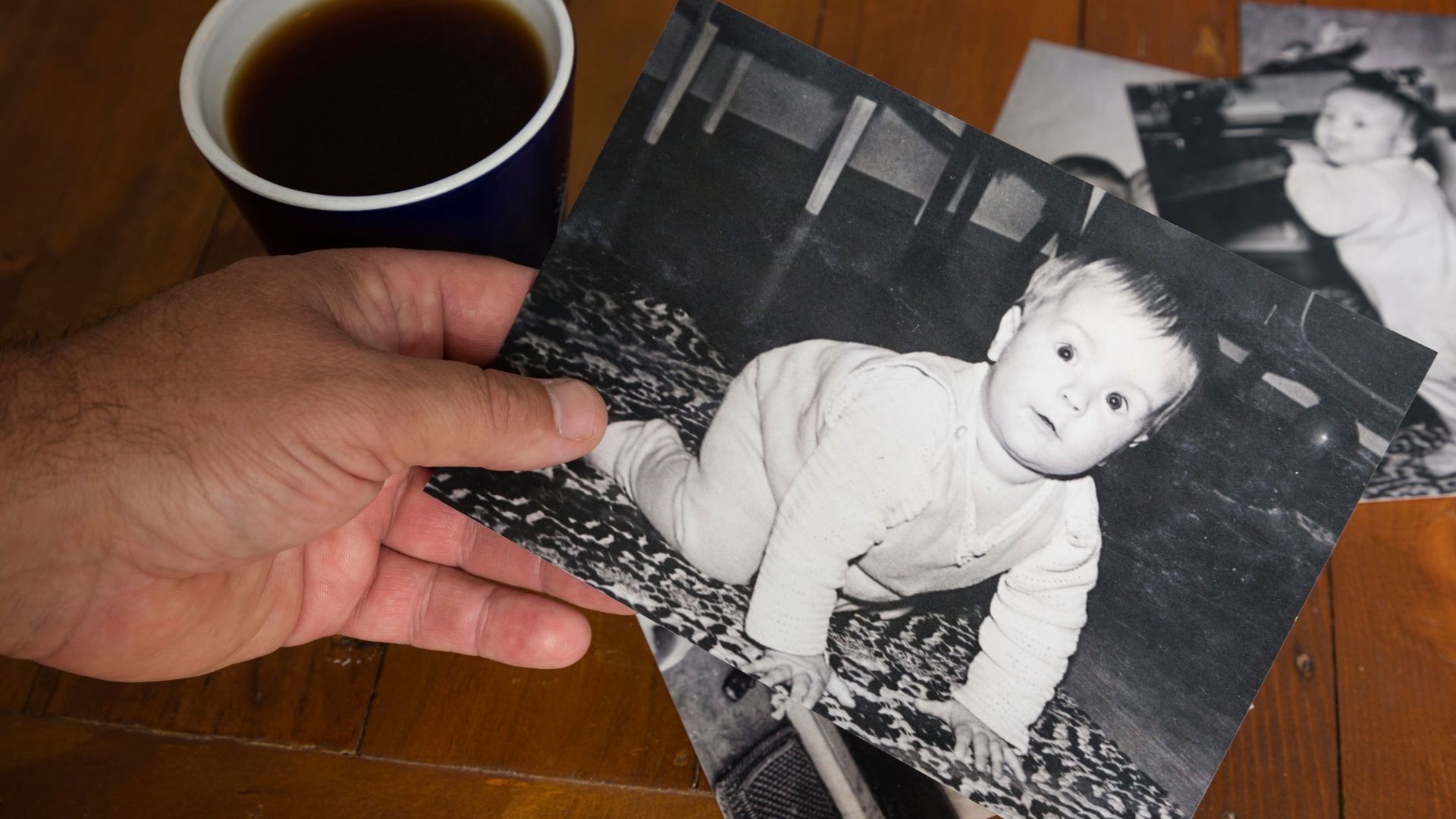
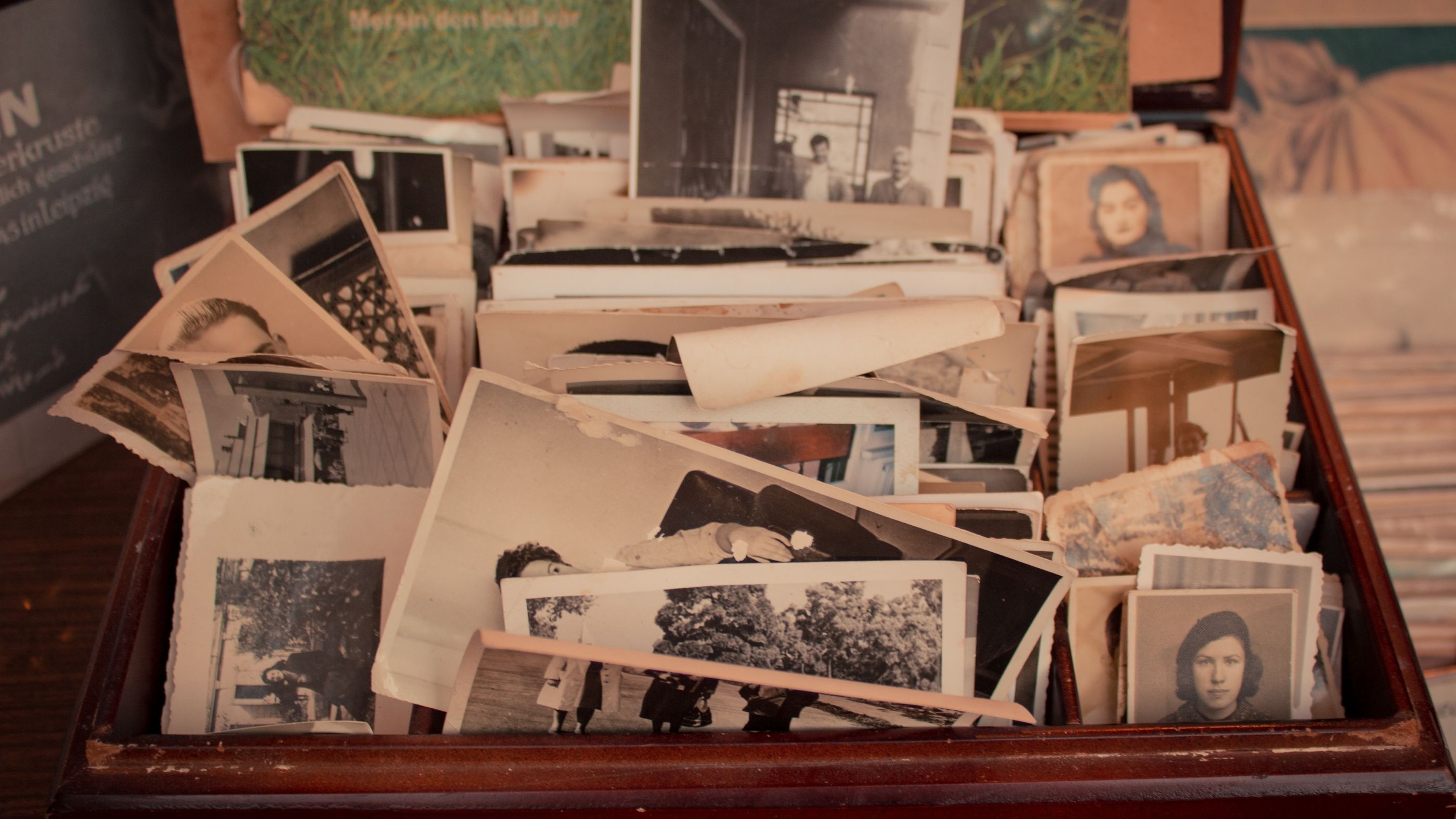
Nostalgia is an internal state where warmth is mingled with a similar amount of sadness. It's that moment when a certain scent, an old song, or a forgotten photograph sneaks in, taking you on a fleeting journey through time, laden with longing for a person, a place, or a previous stage of life.
Why Do We Feel This?
Seeking Emotional Security: We tend to recall pleasant memories when facing stressful circumstances or significant changes in the present; these memories then form a safe haven, free from surprises.
Striving for Stability: Nostalgia helps the mind connect the past with the present, giving us a sense of complete identity and that our lives have a meaningful story.
Combating Loneliness: Nostalgia often begins with feelings of isolation; it acts as a psychological defense mechanism, reminding us that we were once surrounded by love and comfort.
Positive Memory Bias: Our brain has a tendency to filter events; painful memories fade with time, while happy ones remain etched in our minds, leading us to imagine an idealized version of the past.
Is nostalgia a friend or foe?
Nostalgia isn't simply a passive escape from reality; it's a double-edged sword:
Positive aspects:
Improved mood and reduced stress levels.
Increased feelings of gratitude.
Stimulation of creativity.
Negative aspects:
Excessive attachment to the past and a feeling of being stuck in past memories.
Rejection of the present and difficulty adapting to current changes.
Constant comparison between today's reality and the imagined ideal of the past, leading to frustration.

How can we deal with nostalgia in a balanced way?
Enjoy the memory: Recall the beautiful feelings and draw energy from them, without letting them diminish the value of your present moment.
Create new memories: Focus on building experiences and relationships in the present.
Express feelings: Journaling or talking to old friends can help process this feeling.
Related Sources and References