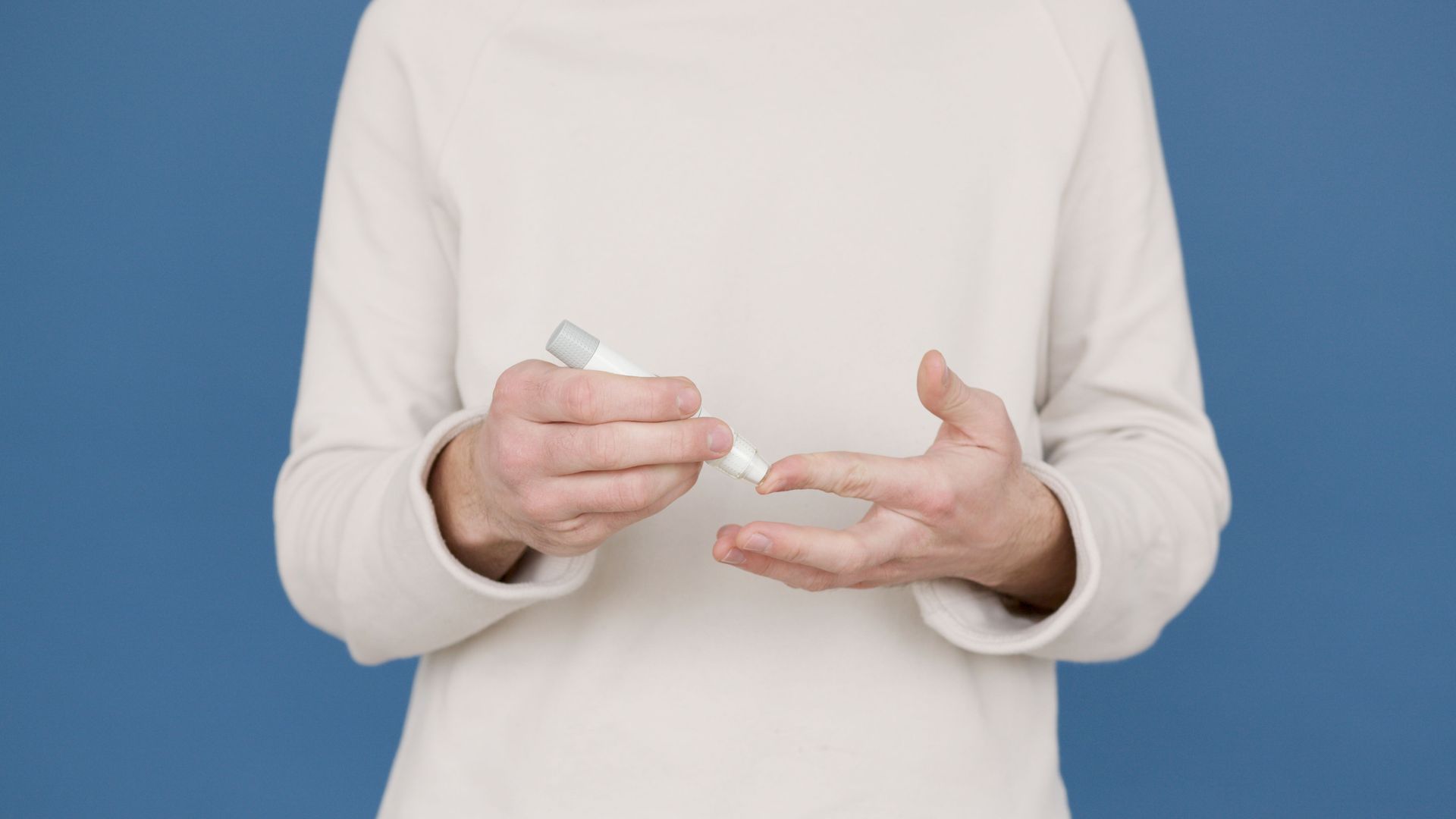
The relationship between diabetes and sadness is bidirectional and highly complex; physical and mental health do not operate in isolation. Sadness and psychological stress do not only impact your mood; their effects extend to reshaping hormonal and physiological responses within the body, directly influencing blood sugar management.
Conversely, living daily with a chronic condition that requires constant monitoring and specialized care can itself lead to emotional fatigue and sadness. This educational guide helps you understand the biological and psychological link between diabetes and negative emotions, offering practical steps to restore balance to your mind and body.
How Sadness and Stress Affect Blood Sugar (The Biological Mechanism)
When a person experiences intense sadness or emotional distress, the body responds by activating the stress-response axis, triggering a cascade of hormonal changes:
1. Secretion of Stress Hormones (Cortisol and Adrenaline)
When feeling sad or stressed, the body releases cortisol and adrenaline. These hormones stimulate the liver to release stored glucose into the bloodstream to provide immediate energy for the body to face perceived threats.
2. Increased Insulin Resistance
Elevated cortisol levels reduce cellular sensitivity to insulin (Insulin Resistance). This means secreted insulin becomes less efficient at moving sugar into cells, causing blood sugar to remain elevated for longer periods.
3. Behavioral Changes Accompanying Sadness
The impact is not limited to hormones alone; it extends to daily habits:
Changes in Dietary Patterns: Turning to sugar-rich foods and carbohydrates as a coping mechanism (Emotional Eating), or experiencing a complete loss of appetite.
Neglecting the Treatment Plan: Severe sadness may lead to missing medication doses or ignoring routine blood sugar monitoring.
Reduced Physical Activity: Social withdrawal and decreased motivation to move reduce muscle glucose consumption.
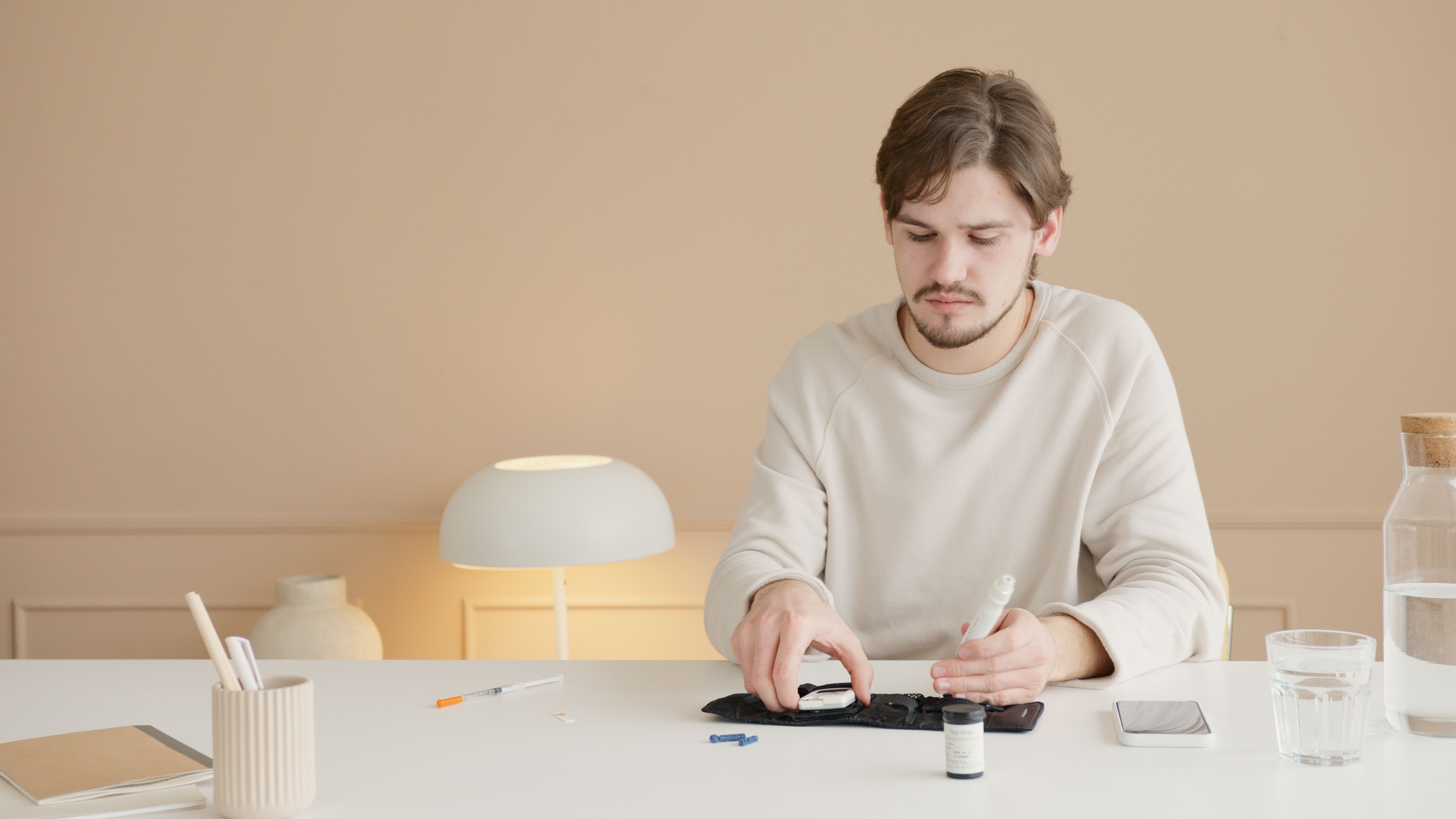
Realistic Scenario: The Vicious Cycle of Sadness and High Blood Sugar
To illustrate this relationship, consider this common experience:
Khalil (45, living with type 2 diabetes) goes through a period of deep sadness following the loss of a relative. His sleep quality deteriorates, and he stops his daily exercise. As a result of sadness and elevated cortisol release, his blood sugar readings begin spiking to unusually high levels.
When Khalil sees these elevated numbers, his frustration and feeling of failure in managing his condition worsen. This increases his stress and sadness further, trapping him in a vicious cycle: sadness causes high blood sugar, and high blood sugar feeds emotional fatigue and sadness.
Practical Steps to Deal with Sadness and Improve Hormonal Balance
Overcoming the impact of sadness requires a plan that combines emotional support with physical care:
1. Acknowledging and Expressing Emotions
Recognize that sadness is a natural human response. Accepting rather than suppressing or denying emotions reduces the accompanying physiological pressure.
2. Maintaining a Basic Routine
Try to preserve a minimal daily routine: eat balanced meals, and stick to your insulin or medication schedule even when you do not feel fully energized.
3. Engaging in Light Physical Activity
Walking for 15–20 minutes daily not only helps lower blood sugar by increasing insulin sensitivity, but also stimulates the release of mood-enhancing hormones (endorphins).
4. Seeking Psychological and Professional Support
Talk with loved ones or consult a mental health professional. Managing the psychological side of diabetes is just as vital as adjusting dosages and nutrition plans.

Frequently Asked Questions (FAQ)
Can severe and sudden sadness directly cause diabetes?
Sadness and emotional trauma do not directly cause diabetes, but severe psychological stress can accelerate the onset of the condition in individuals with genetic predisposition or pre-existing insulin resistance.
What should I do if my blood sugar readings spike during times of sadness or grief?
Consult your treating physician; a temporary dosage adjustment may be necessary, alongside focusing on calming techniques and staying adequately hydrated.
When does sadness become a source of danger requiring professional intervention?
If severe sadness persists for more than two weeks and is accompanied by a loss of interest in daily life, severe sleep disruptions, or complete neglect of medication doses and blood sugar checks.
Your First Step Toward Caring for Your Body and Mind
Understanding diabetes and its relationship with sadness gives you the clarity to treat your body with kindness and compassion. Do not let elevated blood sugar readings during times of grief become an additional source of guilt. Start today with a simple effort to soothe your mind and reach out to your doctor or therapist—your emotional balance is the first key to managing your physical health.