
Anxiety and depression are among the most common mental health conditions today, often overlapping to cause deep psychological and physical exhaustion. Although they are distinct in nature and origin, many people experience them simultaneously, making understanding their relationship the vital first step toward regaining peace and balance.
If you suffer from constant worry about the future, accompanied by persistent sadness and loss of passion in the present, you are not alone. This guide helps you understand the connection between anxiety and depression, explore shared symptoms, and learn evidence-based ways to cope effectively.
What Is the Difference Between Anxiety and Depression?
To make it simple, anxiety and depression can be viewed as two different responses of the nervous system to life stressors:
Anxiety: Primarily focuses on the future and fear of what might happen. It is accompanied by apprehension, heightened nervous system activity, and overthinking negative possibilities.
Depression: Primarily focuses on the present, the past, and self-perception. It is accompanied by low energy, heavy sadness, and a loss of self-worth and interest in previously enjoyable activities.
The Interconnected Relationship
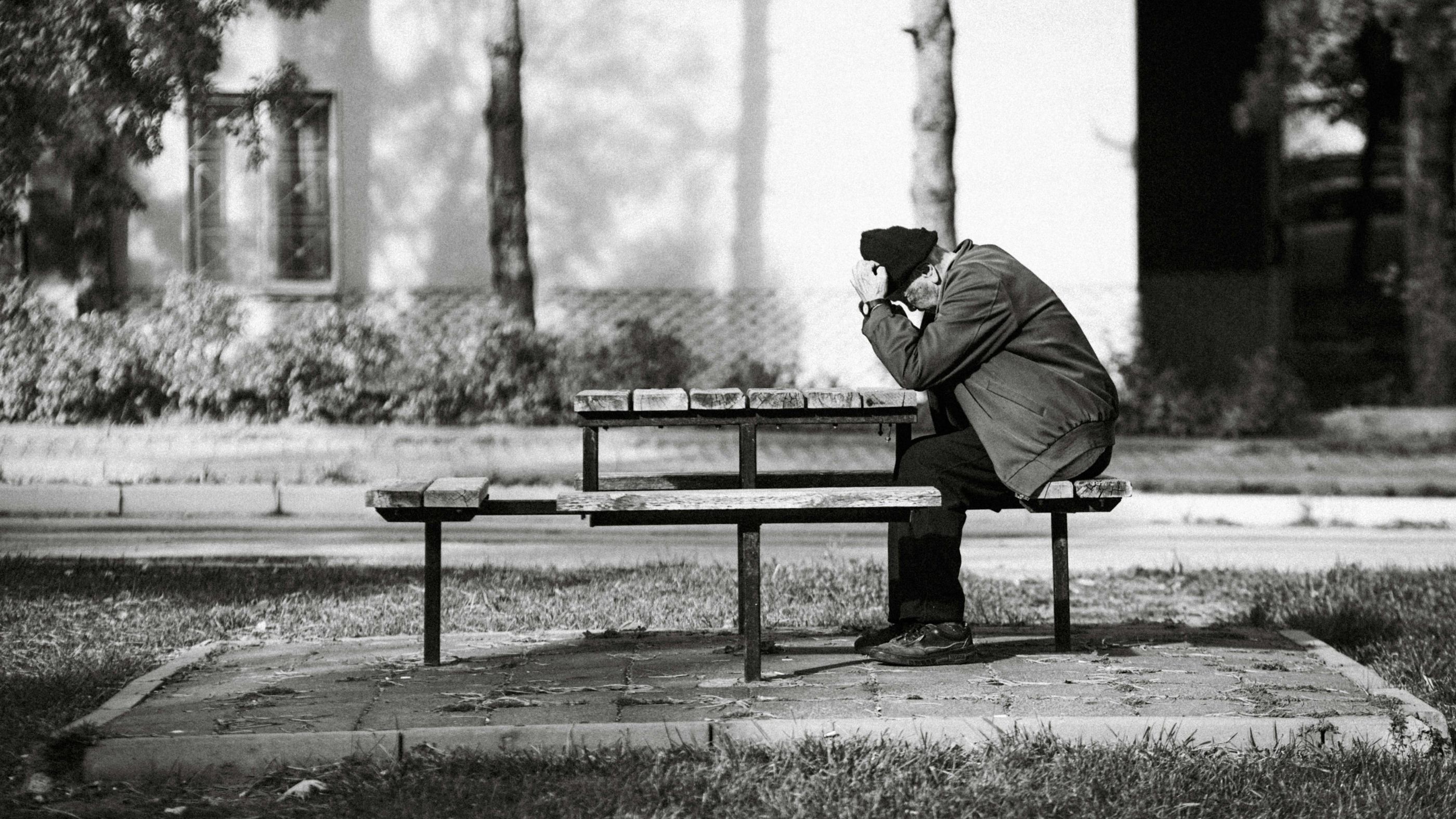
Persistent chronic anxiety often drains a person's mental and physical energy. Over time without relief, this continuous drain turns into frustration and hopelessness, explaining why anxiety and depression frequently co-occur in many individuals.
Key Shared Symptoms of Anxiety and Depression
The symptoms of anxiety and depression overlap across physical, psychological, and behavioral levels.
1. Psychological and Emotional Symptoms
Constant apprehension and persistent negative thinking.
Feelings of helplessness or loss of hope in circumstances improving.
Irritability and quick anger over minor issues.
Difficulty concentrating and frequent mental distraction.
2. Physical Symptoms
Sleep Disturbances: Such as insomnia and difficulty falling asleep (linked to anxiety), or sleeping for long hours without feeling rested (linked to depression).
Chronic Fatigue: A noticeable drop in daily energy levels.
Appetite Changes: Loss of appetite or emotional overeating.
Unexplained Physical Aches: Muscle tension, headaches, and digestive issues like IBS.
3. Behavioral Symptoms
Tendency to isolate and withdraw from social activities.
Procrastination of daily tasks and reduced productivity at work or school.
Realistic Scenario: How Do Anxiety and Depression Intersect in Daily Life?
To clarify how this plays out daily, consider a common scenario:
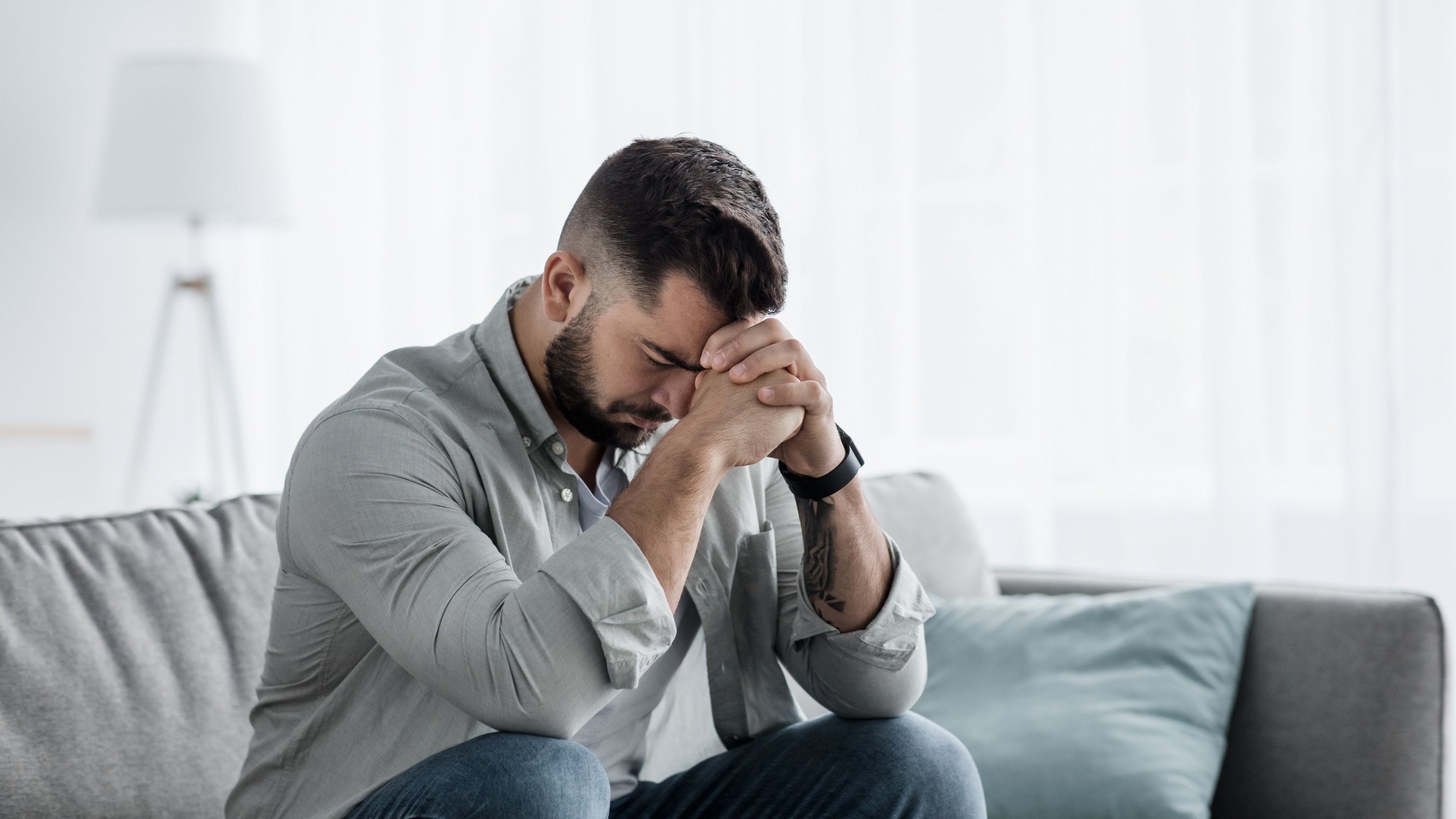
Ahmed starts his day with chest tightness and racing fear about his future career and financial obligations (anxiety). He spends the day overthinking solutions, depleting all his mental energy.
By evening, Ahmed feels completely exhausted and convinces himself that no matter what he tries, nothing will change. He loses interest in talking to his family or pursuing his hobbies, preferring to stay in bed motionless (depression). This cycle between acute tension and psychological slump represents the lived reality of the relationship between anxiety and depression.
Coping Strategies and Recovery Steps for Anxiety and Depression
Dealing with these feelings requires a step-by-step approach combining self-care and professional support when needed.
1. Professional Evaluation and Psychological Support
Cognitive Behavioral Therapy (CBT) is one of the most effective methods, helping individuals identify negative thought patterns and internal cognitive distortions, replacing them with balanced, realistic responses.
2. Grounding and Calming Techniques
Mindfulness practices and slow deep breathing help soothe the central nervous system and ease acute anxiety symptoms, restoring calm mental clarity.
3. Behavioral and Lifestyle Changes
Light Physical Activity: Walking 20 minutes daily provides a natural boost to mood-enhancing hormones.
Regulating Sleep Schedules: Sticking to consistent wake-up and sleep times helps reset your circadian rhythm.
Connecting with a Safe Support Network: Sharing with trusted loved ones reduces psychological isolation.
4. Medication (When Needed and Under Medical Supervision)
In some cases, a psychiatrist may recommend medication to reduce symptom severity, enabling individuals to benefit more fully from therapy. This is evaluated carefully on an individual basis.

Frequently Asked Questions (FAQ)
Can chronic anxiety turn into depression?
Yes. Prolonged chronic anxiety without healthy coping mechanisms can exhaust psychological and physical energy reserves, increasing the likelihood of depression as a response to this exhaustion.
How long does recovery from anxiety and depression take?
Recovery time varies from person to person based on symptom severity, environment, and commitment to therapy and healthy lifestyle choices. There is no fixed timeline; it is a gradual process.
Can mild symptoms be overcome without medication?
In mild to moderate cases, lifestyle improvements, stress-management skills, and psychotherapy sessions are often sufficient to achieve stability.
Your First Step Toward Mental Stability
Experiencing anxiety and depression is not a sign of personal weakness; it is a signal from your mind and body to slow down and realign priorities. Show yourself compassion and start today with one simple step—whether taking a short walk, reaching out to a close friend, or scheduling a consultation with a mental health professional.