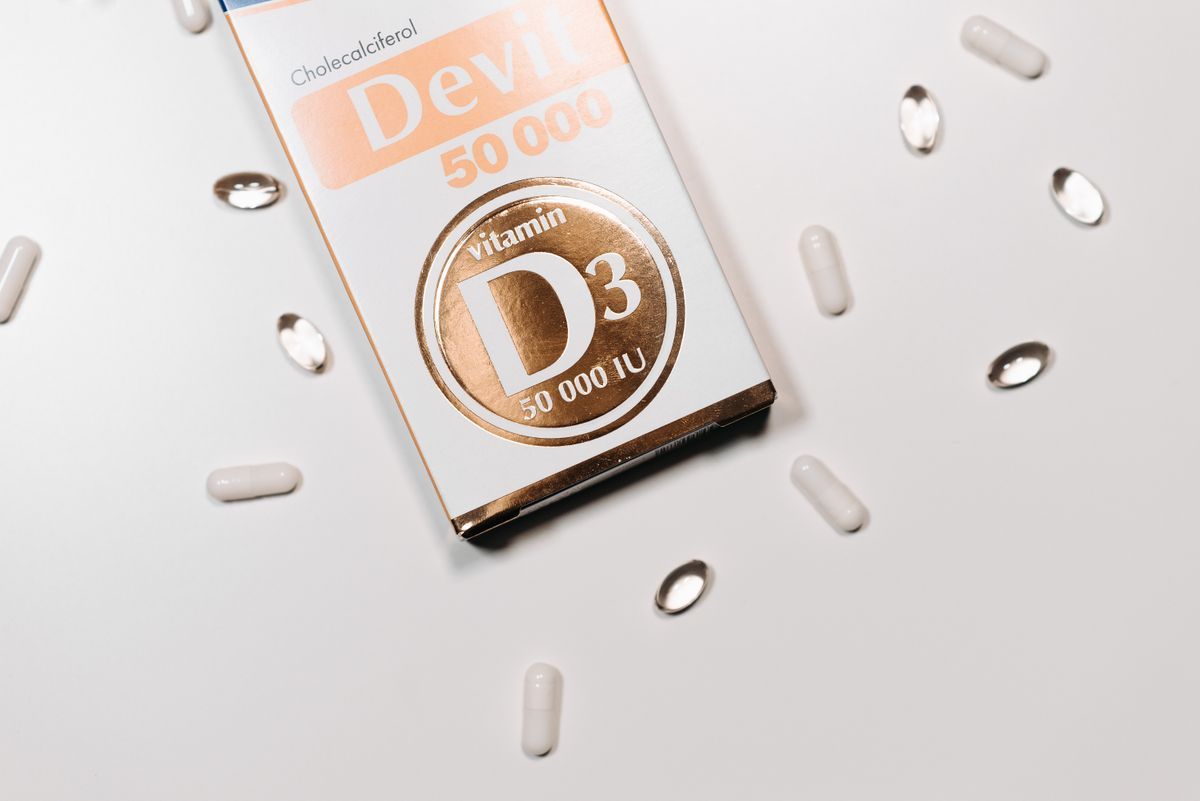
Vitamin D deficiency often does not begin with clear symptoms, yet it gradually affects the bones, muscles, energy, and immunity. As a result, many people live for a long time without knowing the real reason behind constant fatigue or poor concentration. Therefore, they link these symptoms to daily stress or lack of sleep only, while the problem may be deeper than that.
In this article, you will understand in a simple way why this deficiency happens, how it appears in the body, and what signs you should pay attention to. In addition to that, you will learn practical ways to deal with it, helping you improve your condition step by step before the problem develops further.
What Do You Know About Vitamin D Deficiency?
It is a condition that happens when the level of this vitamin in the body drops below the level needed to maintain bone and muscle health. Vitamin D helps the body absorb calcium and phosphate, so it plays an essential role in strengthening bones and supporting different body functions. When its level decreases, some signs gradually begin to appear, such as fatigue, muscle weakness, and bone pain.

Why Is It Considered an Essential Vitamin and Not a Secondary One?
According to the National Center for Biotechnology Information (NCBI), it is considered an important element for bone health because it is directly linked to calcium absorption, and its deficiency may lead over time to weakness in bone structure and an increased possibility of feeling pain or fragility.
In addition to its role in several functions inside the body, such as:
Contributes to improving immune system function and helping the body resist certain infections.
Plays a role in regulating muscle function and reducing muscle weakness.
Supports energy levels and daily activity in general.
It is linked to several functions that affect the body’s overall health balance.
What Is the Difference Between Mild and Severe Deficiency?
Mild deficiency is often a slight drop below the normal vitamin D level, and it may not cause clear symptoms, or the symptoms may be mild, such as simple fatigue or general weakness in energy. In addition to that, at this stage, its effect is limited and can be dealt with relatively easily by improving lifestyle or using supplements in simple doses according to the condition.
As for severe deficiency, the decrease is large and clear in the test, and its effect often begins to appear in the form of stronger symptoms such as bone pain, muscle weakness, continuous exhaustion, and sometimes effects on mood or immunity. The body also needs a clearer medical treatment plan and careful follow-up, because continued deficiency may affect important body functions over time.
What Are the Most Prominent Symptoms of Vitamin D Deficiency?
When the level of Vitamin D decreases in the body, the symptoms do not appear suddenly, but begin gradually and may be unclear at first. Therefore, many people notice simple changes in energy and general condition before the symptoms develop further. Understanding these signs helps detect the problem early and deal with it.
Unexplained Fatigue and Exhaustion
When the level of Vitamin D decreases in the body, fatigue may appear gradually and affect daily activity in several ways. It can be noticed through the following symptoms:
Feeling tired even after sleeping for enough time without improvement in activity.
A clear decrease in the ability to perform usual daily tasks.
Feeling exhausted even with simple effort.
General weakness in physical endurance compared to before.
The state of lethargy continues for long periods without a clear reason.
Muscle and Bone Pain
The decrease of this vitamin is directly linked to muscle and bone health, so some clear physical symptoms may appear, such as:
Repeated bone pain without a clear reason or injury.
Muscle cramps, especially in the legs or feet.
Lower back pain that increases with time.
A feeling of heaviness or stiffness in the muscles.
Weakness in muscle strength during movement.
Poor Concentration and Energy
When its level decreases, mental abilities and energy level may be noticeably affected, and this often appears through:
Difficulty concentrating for long periods, even on simple tasks.
Slowness in understanding information or making decisions.
Mental distraction during work or study.
Noticeable weakness in short-term memory.
A clear decrease in mental motivation.
It Causes Hair Loss and Weak Growth
In some cases, deficiency of this vitamin may affect hair health and natural growth, and this can be noticed through:
Hair loss more than the usual daily rate.
Weakness in hair density over time.
Slow growth of new hair.
Noticing weakness in hair roots.
The appearance of mild gaps in the scalp in some cases.
Weak Immunity and Frequent Illnesses
This vitamin plays an important role in supporting the immune system, so its decrease may lead to increased susceptibility to illnesses, and this appears through:
Repeated colds more than usual within short periods.
Slow recovery of the body from flu or simple infections.
Increased susceptibility to seasonal infections compared to before.
Continuing to feel tired and exhausted even after recovering from illness.
Weak ability of the body to resist daily illnesses naturally.
It May Affect Mood and Psychological State
Its effect also extends to psychological state and mood over time, especially when the deficiency continues for long periods. Some studies indicate a link between its low level and increased feelings of stress or depression in some people. Psychological symptoms may also appear in several forms, such as:
Repeated mood swings without a clear reason.
Increased feeling of anxiety or tension during the day.
Feeling sad or disturbed for long periods.
Difficulty sleeping or relaxing because of mental tension.
What Are the Common Causes of Vitamin D Deficiency?
When the level of Vitamin D decreases in the body, the cause is often not only one factor, but a group of daily habits and health factors that overlap together. Lifestyle, nutrition, and the body’s way of absorbing nutrients also play an essential role in the appearance of this deficiency.
Limited Sun Exposure
One of the most important causes of this is not getting enough regular sun exposure, as the body depends on it to produce the vitamin naturally. The effect of this cause appears through several factors, such as:
Spending a long time inside the house or working in closed places.
Limited going out during daylight hours.
Covering the body completely when going outside.
Excessive use of sunscreen, which reduces natural production.
Limited daily outdoor activities.
Poor Diet
A poor diet is considered an important factor in the decrease of this vitamin level, especially when the body does not get enough food sources that support its daily need. The most prominent signs of this include:
Relying on foods poor in essential nutrients.
Limited consumption of foods rich in Vitamin D or fortified with it.
Following unbalanced diets for long periods.
Lack of daily food variety.
Weak consumption of healthy fats that help absorb vitamins.
Absorption Problems in the Body
In some cases, the reason is not low food intake, but the body’s weak ability to absorb nutrients correctly.
This problem appears through:
Digestive disorders that affect absorption.
Weak benefit of the body from vitamins despite taking them.
Chronic intestinal diseases that reduce absorption.
Medical operations or interventions that affect the digestive system.
Deficiency of other nutrients that indirectly affect absorption.
Indoor Lifestyle
Modern lifestyle plays a major role in increasing the chances of this vitamin decreasing, especially with limited movement and spending a long time inside closed places. Among the most prominent signs of this are:
Sitting for long periods inside the house or office.
Limited physical activity and daily movement.
Relying on a sedentary lifestyle.
Continuously reducing outdoor activities.
The daily routine being linked more to indoor environments than outdoor ones.

Can Treatment of Vitamin D Deficiency Be Done Naturally?
This depends on a group of integrated steps that aim to raise the level gradually and safely. Medical studies indicate that combining a correct lifestyle, nutrition, and supplements helps improve the condition clearly over time. Therefore, methods of treatment can be understood by learning about natural sources of vitamin D.
How Does Sun Exposure Contribute to Supporting the Level of This Vitamin in the Body?
Sun exposure is considered one of the most important natural ways to help raise the level of this vitamin in the body, because it stimulates its internal production.
In addition to that, the more moderate and regular the exposure is, the more the body’s ability increases to produce a better amount that helps reduce the deficiency gradually. Its benefit appears through:
Stimulating vitamin production inside the skin through interaction with ultraviolet rays.
Supporting calcium absorption later, which reflects on bone strength.
Improving muscle efficiency and reducing the feeling of general weakness.
Helping raise the energy level and reduce the feeling of exhaustion.
Supporting the general balance of body functions linked to immunity and bones.
What Is the Role of Food Rich in Vitamin D in Treatment?
Food plays an important role in supporting the level of this vitamin in the body, especially when choosing foods that contain it naturally or are fortified with it. Although food alone is not enough in some cases, it contributes significantly to improving the level in the long term.
Here are the most important food sources:
Fatty fish such as salmon, tuna, and sardines.
Egg yolk, which contains a good amount of the vitamin.
Liver as one of the sources rich in nutrients.
Milk and fortified foods such as some types of cereals.
Fortified yogurt in some food products.
Why Is Medical Follow-Up and a Vitamin D Test Important During Treatment?
Many people may feel improvement in symptoms, but without a medical test and follow-up with a specialist doctor, it is not possible to confirm that the level has returned to normal or that the deficiency is still continuing silently.
The importance of medical follow up appears practically through:
Knowing whether the current dose is actually enough to raise the level or not.
Detecting cases that do not respond quickly to treatment despite commitment.
Avoiding continued deficiency for a long period without noticing because of the absence of clear symptoms.
Adjusting the treatment plan based on real results and not on feeling only.
Ensuring that the level has returned to a safe range before stopping or reducing treatment.
Frequently Asked Questions
After learning about the causes, symptoms, and how to deal with this condition, there remain some questions that are often repeated about low Vitamin D levels. Especially regarding daily symptoms, the duration of improvement, and the appropriate steps to deal with it.
Therefore, below we review the most prominent frequently asked questions and answers that may help you understand the condition more clearly.
How Can Enhancing Vitamin D Absorption in the Body Be Done?
Its absorption can be improved by taking it with meals that contain healthy fats, because this helps the body benefit from it better, in addition to committing to the doses prescribed by the doctor without random increase or decrease.
The health of the digestive system is also an important factor in determining the body’s ability to absorb it.
Is Low Vitamin D Linked to Insomnia and Lack of Sleep?
Vitamin D deficiency and insomnia may be linked in some people through sleep disorders such as difficulty sleeping or repeated waking up, but it cannot be considered the only cause because sleep quality is affected by many other factors.
Can the Decrease of This Vitamin Return Again After Treatment?
Yes, it may return if the same factors that caused the deficiency continue, such as weak sun exposure, lack of attention to nutrition, or not following up the level periodically after treatment.
When Does a Decline in Vitamin D Become a Problem That Needs Attention?
The matter becomes more important when symptoms continue for a long time, such as continuous fatigue, muscle pain, or weak daily activity, especially if they do not improve with rest or lifestyle changes. Here, it becomes necessary to test the level to know the cause accurately.
In the end, vitamin D deficiency is considered one of the common conditions that may affect energy and general health if it is not noticed early. Therefore, it is important to follow the symptoms and understand the causes to deal with it correctly, alongside gradually improving the daily lifestyle.
For more useful and diverse articles about mental health and self-development topics, you will find everything you need in the Mawj application blog, in addition to benefiting from our specialized features with audio sessions for relaxation, deep sleep, and increasing focus. Therefore, download the application now and start supporting your daily balance in a better way.
This article is dedicated to educational and awareness purposes only, and is not considered a substitute for specialized medical or psychological consultation. Please always consult specialists when needed.