Slow Living has become one of the concepts that many people who feel pressure resulting from the fast lifestyle search for. In a world that depends on continuous achievement, slowing down has become unfamiliar, although it helps restore focus and enjoy the details of daily life.
This style does not mean stopping ambition or achievement, but rather depends on living with greater awareness and choosing what adds real value to the day instead of being occupied with everything at once.
In this guide, you will learn about the concept of Slow Living and how it can be applied in a practical way that helps with reducing distraction and organizing daily life better.
What Is Slow Living?
Slow Living is a comprehensive style of life that depends on reducing the continuous rush during the day and focusing on living with greater awareness and calmness. Also, it does not mean the complete stopping of striving toward ambition or achieving accomplishments. Rather, what is meant by its concept is how to deal with time and tasks in a more balanced and clearer way, away from the feeling of constant pressure and continuous busyness.
Besides that, this style is based on caring about the value of daily experiences instead of their abundance, and giving full attention to what we do, whether that is in work, relationships, or even the simple moments during our day.
Does Slow Living Mean Laziness?
Often, any attempt to calm down or slow down in making decisions or accomplishing something that requires more analysis is linked to the idea of laziness or negligence. But this linking is inaccurate, as dealing with the course of matters slowly brings better results that focus on the clarity of choices instead of haste and continuous pressure. The difference between them is clear in application:
Calm life is based on a conscious choice of what deserves time and effort, while laziness means the absence of direction or goal.
This style does not reduce achievement, but rather helps accomplish tasks with more focus and clarity.
Laziness is linked to postponement and unwillingness to act, while the other concept is linked to better management of the mind’s energy during the day.
In slow practices, tasks are dealt with calmly and with organization instead of haste and distraction.
Laziness often leads to the accumulation of work, while this style helps distribute it in a better and more balanced way.
Why Have People Recently Been Searching for the Slow Living Style?
The increasing interest in this philosophy is due to people’s desire to restore psychological balance amid the pressures of life and its continuous acceleration for several reasons, which are:
Continuous exposure to daily pressure keeps the nervous system in a state of constant tension, which pushes the human being to search for calmer activities to reduce this tension and restore internal stability.
The density of news through television and social media raises the level of anxiety daily, especially with the repetition of worrying events, which strengthens the need to reduce exposure to information.
Difficult collective experiences such as economic and political crises create a general feeling of insecurity, so they push people to search for a psychologically more stable environment.
The culture of quick achievement and continuous production puts pressure on time and energy, which makes some reconsider the value of slowness and quality of life instead of speed.
The increasing awareness of mental health has made people consider calmness an essential part of self-care, and not merely a luxury or free time.
What Are the Benefits of Slow Living and Its Effect on Mental Health?
With the increase of this concept globally, Slow Living has begun to be viewed as an important tool that helps improve quality of life in general, as this style focuses on the benefits of reducing the fast daily pace that targets the time base more. In addition to bringing attention back to the essential details that are often ignored or neglected.
Many medical and psychological sources, such as The Healthy website, also indicate that reducing the stress associated with following this pattern reflects positively on general health and psychological well-being.
Improving Focus and Mental Calmness
Do you know that slowing down at work and in making decisions helps with reducing distraction and reorganizing the way the brain works better? As this style makes thinking clearer and makes it more capable of processing information with higher efficiency. Especially when moving between multiple tasks continuously, which leads to:
When taking short periods of rest or calmness, they help improve mental clarity, and the person may notice that thoughts become clearer and tasks become less complicated.
Absorbing new information more easily.
Reducing forgetfulness resulting from mental exhaustion.
Improving Sleep Pattern and Rest
Good sleep depends greatly on the state of the mind before preparing for rest. That is, when the day is full of speed and continuous thinking, it becomes difficult to enter a natural state of relaxation. Therefore, Slow Living helps build habits that support rest, such as:
Reducing screen use before sleep.
Committing to a regular sleep time.
Creating a calm evening routine.
Practicing relaxation exercises, or applying relaxing activities such as reading and stretching.
These habits help calm the nervous system, which makes sleep faster and deeper and increases the quality of night rest.
Increasing Energy and Reducing Distraction
Contrary to the common belief that doing daily activities slowly reflects low energy, Slow Living may contribute to increasing the feeling of vitality in the long term. In contrast, relying on a fast pattern full of pressure makes stress serve as temporary fuel for achievement, but with time it leads to physical and mental exhaustion. Therefore, adopting a slower and more balanced lifestyle helps with:
Giving the body enough time to recharge and restore energy.
Reducing unnecessary commitments that consume effort without real benefit.
Providing greater space for rest, natural movement, and eating calmly.
Simplifying Life Helps with Deeper Social Relationships
True presence in the moment while dealing with others clearly strengthens the connection of relationships. Therefore, when distraction decreases, the person becomes more capable of listening, paying attention, and interacting honestly, and this is the most important. This style helps us with:
Enjoying conversation without being occupied with the phone.
Giving full attention during conversations.
Allocating more time for family and friends.
Improving Digestion and Daily Physical Health
Stress and speed while eating directly affect the digestive system, which may cause discomfort or disturbance in digestion. In addition to that, when eating calmly, the body gets a better opportunity to process food naturally. Here are the most prominent achieved benefits:
Sitting while eating instead of eating while moving.
Chewing food slowly and consciously.
Staying away from screens during meals.
Stopping when feeling full.

Enhancing Relaxation and Calmness During the Day
Slowing down during the day helps create a larger space of internal calmness and reduce mental pressure, and this feeling can be supported through simple tools that help you build a more comfortable routine.
It is also useful to use applications or digital libraries that provide content such as the Mawj application, through which you can access many options that help with relaxation and calmness and organizing daily moments in a scientific and more conscious way.
How Do I Start Slow Living with Practical Steps?
To start applying Slow Living in your life, you do not need a radical change in your day. As you can begin with simple and gradual steps, because the goal is not to completely overturn your lifestyle, but rather to reorganize the way you deal with time and tasks.
With practice, these steps will help you create a calmer and more balanced daily rhythm, so that dealing with tasks and pressures becomes easier.
Start Your Day with Awareness
When you give yourself a quiet time at the beginning of the day, such as breathing deeply or drinking coffee without distractions, you are laying the foundation for a more balanced day. It also helps you reduce stress from the first moments in the morning and makes your focus higher during the day.
Reduce Dependence on Technology
Constant connection to screens consumes your mental energy without you noticing. Therefore, you should take breaks from the phone or social media, as this helps you restore your attention and return to the present moment. Also, temporary disconnection from digital distractions creates a larger space for calmness and clear thinking.
Focus on Self-Care and Taking Care of Yourself
Allocating time for yourself is not a luxury. When you care for your physical and psychological comfort through simple activities such as walking, relaxation, or practicing a hobby you love, you enhance your internal balance and become more capable of dealing with the pressures of daily life.
How Do You Work Calmly Without Continuous Pressure?
Some people believe that Slow Living does not suit the work environment or professional life that requires achievement within a specific time. But the basic idea does not depend on reducing this achievement, but rather on performing tasks at a calmer pace. As it helps raise the quality of performance, organize energy better, and avoid exhaustion resulting from continuous pressure.
Does the Calm Life Style at Work Help Improve Productivity?
Certainly, as this pattern depends on deep focus instead of continuous busyness with a large number of tasks at one time. It also contributes to:
Reducing distraction resulting from rapid movement between different tasks.
Giving each task enough time to complete it with better accuracy and quality.
Improving focus mentally and reducing the feeling of exhaustion during work.
How Do You Manage Your Time in a Calmer Way?
Organizing time in a realistic way helps reduce daily pressure and make the course of the day more balanced and clear. When time becomes organized based on real priorities, the state of urgency decreases and dealing with tasks becomes calmer and more focused. This style also contributes to:
Dividing tasks according to priority instead of trying to accomplish everything at once.
Allocating a clear time for deep work away from continuous distractions.
Reducing unnecessary meetings and tasks that consume time and energy.
Leaving space for rest between tasks to reduce mental exhaustion during the day.
Why Are Break Periods Important During Work?
Working for long hours without stopping may lead to a decline in focus and an increase in mental exhaustion with time. Therefore, short break periods help restore attention and renew energy, which makes task performance calmer and more efficient during the day. These periods also contribute to:
Moving away from the screen for a few minutes to reduce visual and mental pressure.
Taking a short walk between tasks to activate the body and improve focus.
Stopping for moments in order to breathe deeply and rearrange thoughts.
Reducing the feeling of stress and accumulation during long working hours.
How Does Slow Living Maintain the Balance Between Work and Personal Life?
One of the most important principles of Slow Living is not turning work into a continuous part of the whole day. That is, when a person remains connected to tasks and pressures even after working hours end, it becomes difficult to restore balance or obtain real rest.
Therefore, separating work time from private life helps reduce exhaustion and gives the mind space for mental calmness and restoring energy. This can be applied through:
Avoiding following up on tasks and work messages after working hours end.
Reducing the use of the phone related to work during the evening.
Allocating a clear time for rest or practicing personal activities.
Creating a calm routine that helps end the workday comfortably.
Frequently Asked Questions About Applying the Concept of Slow Living
Before starting to apply this style in the daily routine, many people search for practical ways that help them begin realistically and with balance. Also, many questions revolve around the effect of this pattern on productivity, work, time management, and daily habits. Below is a group of the most common questions about Slow Living and the most prominent ideas related to it.
What Are Slow Living Habits?
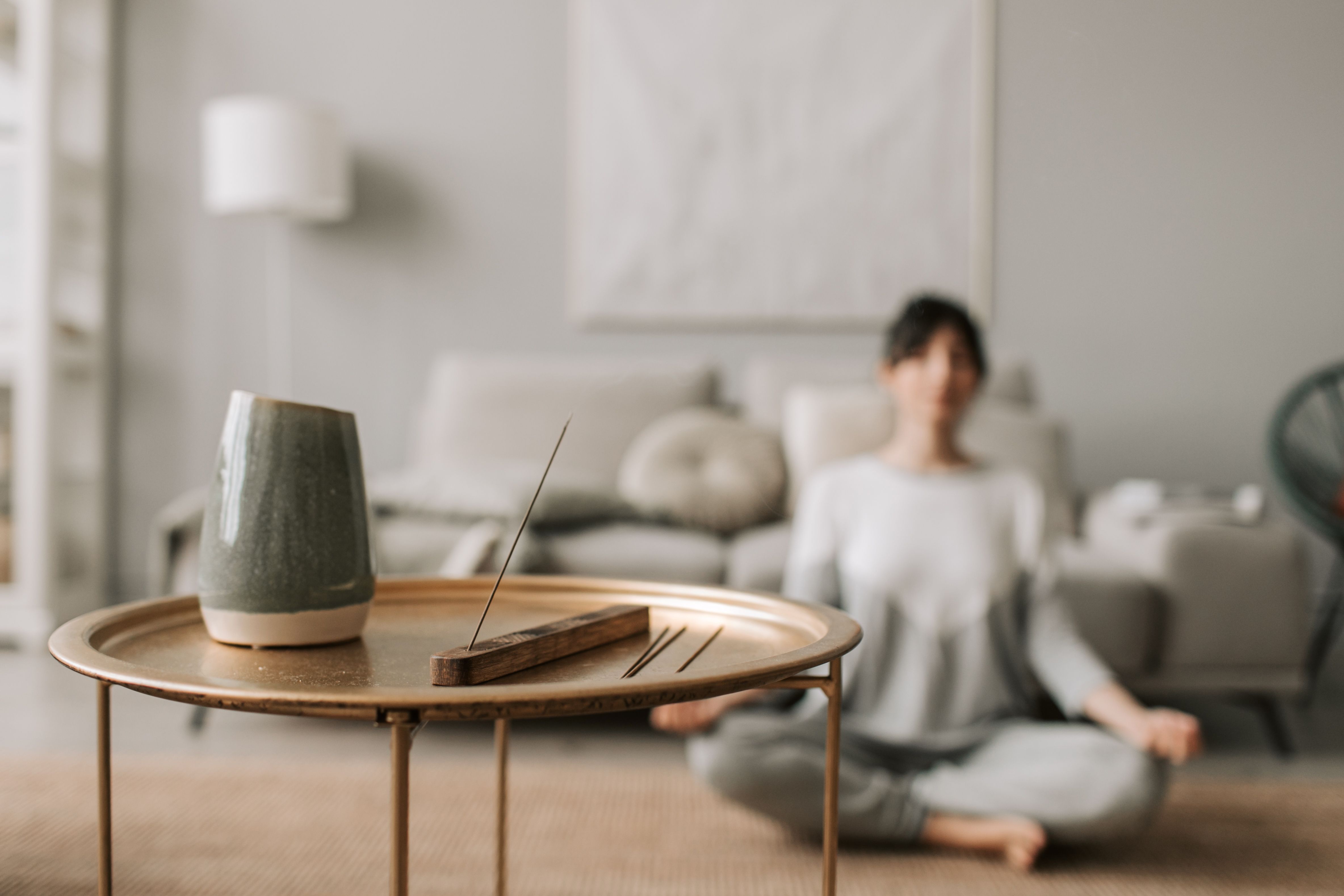
This style depends on simple habits that aim to reduce haste and distraction during the day. Among the most prominent of them are starting the day calmly, and reducing phone use.
In addition to focusing on one task at a time, getting break periods, and allocating time for personal activities and psychological comfort. As the goal of these habits is to create a more balanced and clearer lifestyle.
Does Slow Living Reduce Ambition?
Quite the opposite, it helps achieve goals in a more stable and less draining way. Also, this style encourages deep focus and making more conscious decisions instead of working under continuous pressure.
Therefore, it can increase the quality of achievement and preserve energy for a longer period.
How Does Slow Living Affect Work?
This style helps improve the way of dealing with work through reducing distraction and organizing priorities better. Therefore, it reflects on the quality of performance and productivity during working hours.
How Do I Reduce Distraction in My Life?
This feeling can be reduced by allocating time to use daily sources of distraction and organizing time in a clearer way.
As turning off unnecessary notifications, allocating time for work without interruptions, and reducing continuous movement between tasks help with improving focus. Also, getting quiet periods away from screens gives the mind an opportunity to restore attention and mental calmness.
At the conclusion of our article, we emphasize that the Slow Living style helps with living at a more balanced and calmer pace. With the adoption of simple habits and organizing time in realistic ways, it becomes easier to maintain your psychological comfort.
Download the Mawj application now and discover more diverse articles about mental health and developing your lifestyle, alongside the audio library that includes meditation and relaxation sessions and calm sounds that help you reduce stress and restore mental clarity at any time.
This article is dedicated to educational and awareness purposes only, and is not considered a substitute for specialized medical or psychological consultation. Please always consult specialists when needed.