
Personal Rituals: Why Do Recurring Habits Make Us Feel Safe?
Have you ever felt like your day was suddenly falling apart and everything around you was shifting, leaving you with nothing but your morning coffee that you drink the same way, in the same cup, at the same table? This is not a luxury. This is your brain searching for something stable. We live in a whirlwind of constant change: notifications that never stop, news that keeps flipping, and appointments that fade away. And in the middle of this noise, the daily routine becomes not just a habit, but transforms into a real psychological lifeline. Together, we will understand why habits make us feel safe, and how those simple rituals, from washing dishes to a few minutes of morning silence, can be the strongest tools of emotional stability you possess.

Your Brain Hates Surprises: Why Do Rituals Calm the Nerves?
Your brain is a prediction machine. It likes to know what happens next. When the same movement repeats, making your bed every morning, smelling the soap while washing your hands, your brain sends a clear signal to your nerves: You are safe. There is no danger here. This idea, which scientists study under a concept called predictive neuroscience, means that the mind expends tremendous energy trying to understand the world around it. When you provide it with predictable personal rituals, it stops the constant alarm and settles down. The benefits here are not just superficial psychological comfort; they represent a real reduction of internal mental clutter. When the mind loses its ability to predict things, it feels anxious. Then rituals arrive like a lighthouse in a pitch-dark night.
Does This Mean I Have OCD?
No. This question haunts many people. The difference is simple but profound: Healthy rituals are practiced by your own will and choice. They give you comfort and flexibility, so if you miss a day, your world does not collapse. Obsessive-compulsive disorder, on the other hand, is a rigid, compulsive behavior driven by an urgent urge to relieve overwhelming tension. It drains your time and energy. Your personal rituals serve you; OCD enslaves you.
Anchoring Habits: Islands of Stability in a Sea of Chaos
Anchoring habits, or what could be called stabilizing habits, are those simple, non-negotiable practices that remain fixed regardless of how the rest of your day goes. Perhaps they are five minutes of calm, an afternoon cup of tea, or even just arranging your shoes by the door. These particles of stability tell your unconscious mind that there is still something in this world under your control.
Why Does My Morning Fall Apart If My Coffee Changes?
It is morning disorientation. When you wake up, a natural first alarm signal rises in your body to rouse you. But if your mind expects your coffee at that exact moment and you do not get it, it suffers a kind of predictive shock at a time when it is most fragile. It then launches a false alarm that some danger exists. The solution? It is not in the coffee itself, but in building a chain of comforting signals that start from the very first moment you wake up.
How Do You Build Rituals That Suit Your Real Life?
You do not need a perfect two-hour morning routine like the wellness content on the internet shows you. What you need are mini rituals that you embed into what you already do.
Can Washing Dishes Be a Psychological Ritual?
Yes. A study conducted by researchers on university students found that those who washed dishes with full attention, feeling the warmth of the water, thinking about the smell of the soap, and watching the bubbles, experienced a noticeable increase in mental calm and a decrease in tension. The same task. But the mindset changed. This is daily psychological grounding in its simplest form: you do not have to add something new to your day; you only have to add awareness to what you already do.
For Shift Workers:
Sequence Instead of Time. If you work at night, or your schedules change constantly, do not try to fix your habits by the clock. That is impossible. Instead, anchor them by sequence. Do first, then second, then third. Regardless of the time, your brain understands this sequential pattern and rests. These are daily psychological grounding techniques that cost you nothing.
Spiritual Routine:
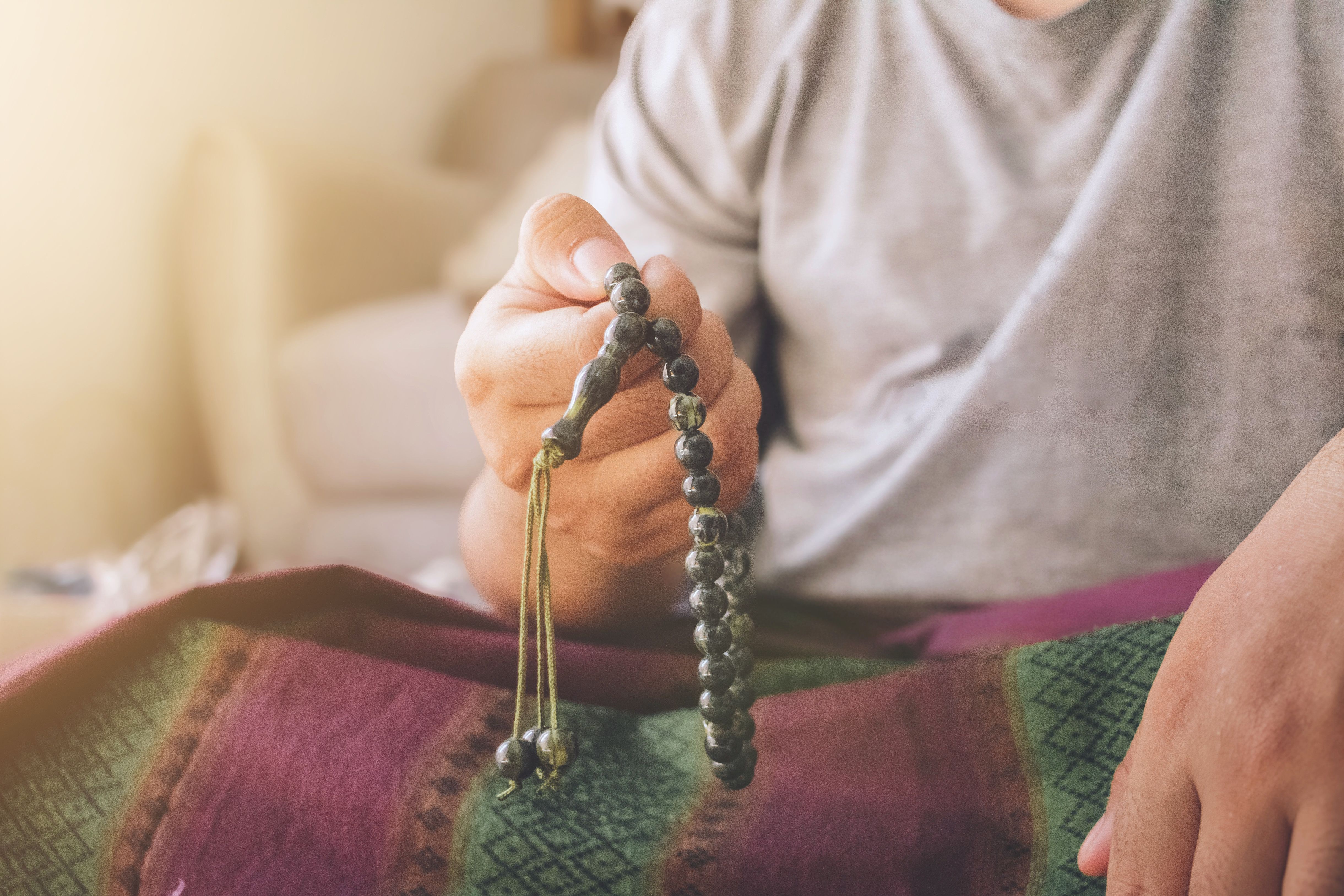
Deeper Safety. In our local contexts, spiritual practices, such as prayer or dhikr (remembrance), offer a ready-made psychological structure. They are not just religious duties; they are calming spiritual rituals that reset the body's rhythm. The repetition, the movement, and the regular breathing form a language the body understands before the mind: You are here. You are protected. You are okay.
Practical Tips:
Choose only one habit. One that you can commit to daily, even if it lasts just two minutes.
Link it to something you already do: before coffee, or after showering, so it becomes part of a natural sequence.
Focus on the senses: what you smell, what you touch, what you hear. This transforms the routine into a real ritual.
If you miss a day, do not punish yourself. Flexibility is the essence of safety, not its opposite.
Try the Emotional Recovery channel on the Mawj app, where you will find audio sessions built on neurological research that help you achieve internal stability.
In the end, rituals are not shackles that bind you. They are a language of love you speak with your nerves. Do not chase perfection. Chase the feeling of safety. And always remember: you do not need a completely perfect day. You need that one moment when you tell yourself: I am safe now.
Try the Mawj app and explore its audio channels designed to be a daily companion on your journey toward stability. Audio sessions crafted to organize your mental state and support your focus await you. Download the app now, and discover how guided sound can be a ritual that brings inner peace and calm.
This article is intended for educational and informational purposes only and is not considered a substitute for specialized medical or psychological consultation. Please always consult professionals when needed.