You shut down your computer at 5:00 PM. But your brain? It keeps running the meeting minutes until 11:00 PM.
This isn't just passing fatigue. It's a real cognitive leak that destroys the boundaries between the workplace and home. Three out of four professionals say work stress ruins their personal relationships, 70% completely fail to "switch off" from work thoughts, and 76% admit to checking emails or answering work calls outside of official hours.
Your mind needs a clear signal. A cue that tells it the workday is over and free time has begun. In this article, we explore the scientific mechanism that keeps work thoughts hijacking your attention, and offer a 10-minute end-of-work ritual to help you reclaim your personal space and deeply enjoy your time off.
Why Does Your Brain Keep Thinking About Work After Hours?
Your brain isn't rebelling against you; it is simply following strict biological laws.
Attention Residue
When you transition from a work task to a cup of tea at home, your brain doesn't close the file immediately. Researchers call this "attention residue," a phenomenon discovered by Dr. Sophie Leroy, where the brain continues to dedicate 15% to 30% of its active focus to incomplete tasks—even during downtime. This cognitive leak drains your working memory and reduces your subsequent cognitive performance by up to 30%.
Imagine driving your car while an unfinished meeting loops in your mind. That isn't laziness; it's the human brain operating under a relentless neurological law.

The Zeigarnik Effect: Open Loops
Incomplete tasks create internal psychological tension. Your memory labels these as "open loops" that demand closure. Studies show that human working memory can manage only four active items at a time. When dozens of unfinished tasks pile up, cognitive chokepoints occur, weakening the prefrontal cortex and keeping your nervous system in a perpetual state of high alert.
Cortisol and the Burnout of High Achievers
High achievers and ambitious individuals are the most prone to evening work rumination. The stress hormone cortisol remains elevated for two to four hours after clocking out, keeping the body in a "fight-or-flight" mode. When this becomes chronic, it turns into nervous and physical exhaustion that bars you from true relaxation.
Ambition can sometimes protect you. But it can also morph into an emotional shield hiding anxiety and sadness behind it.
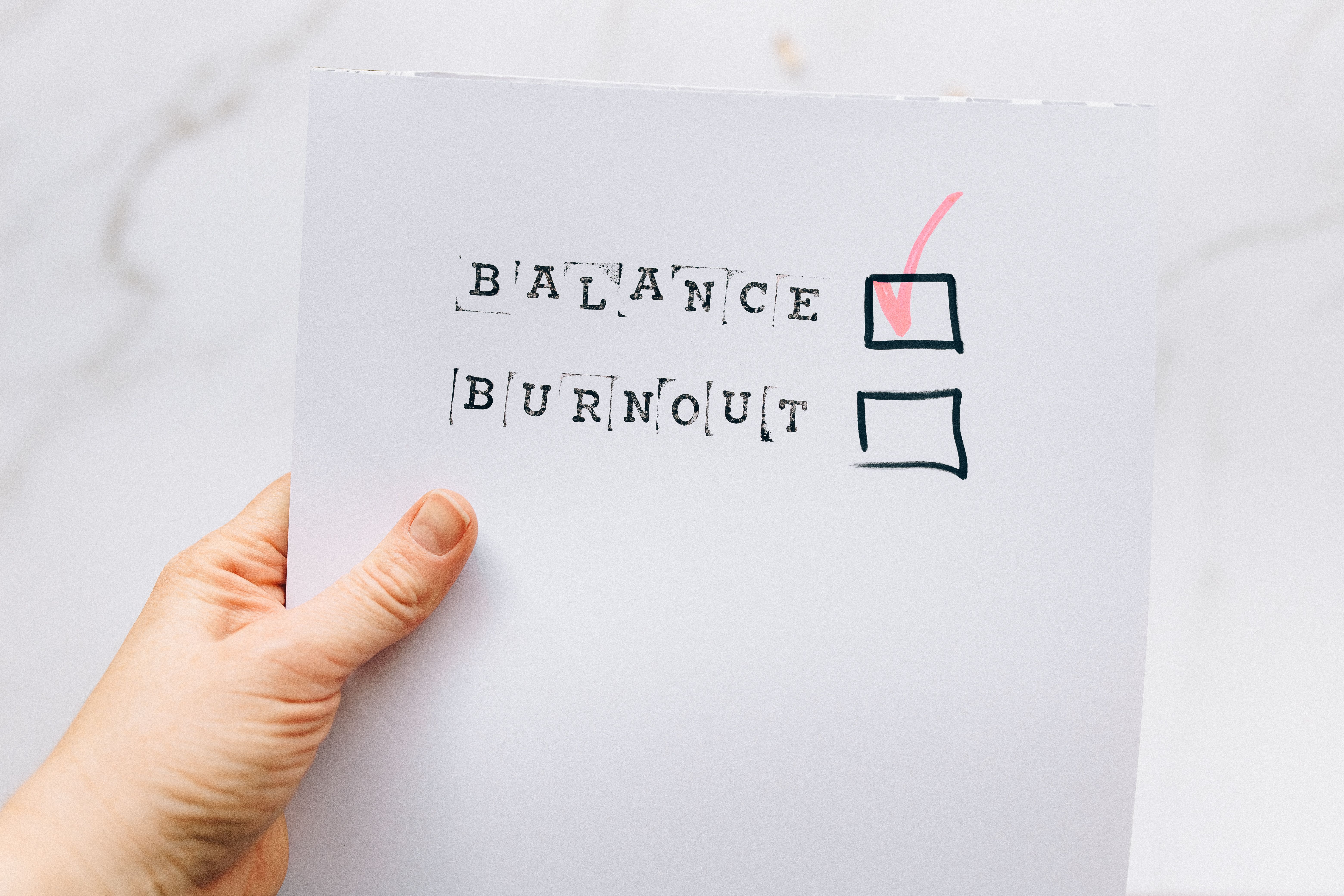
The Mental Shutdown Ritual: The 10-Minute System
The solution isn't to work harder, but to shut down more mindfully.
Step 1: Write Down Your Open Loops
Grab a physical notebook, not your phone. Write down three incomplete tasks, along with the next step and deadline for each. Simply converting a vague goal into a specific plan releases psychological tension and clears your working memory, as proven by research from Masicampo and Baumeister.
Phones buzz; emails ping. But paper? It's as quiet and safe as a sanctuary.
Step 2: Speak a Shutdown Phrase
After writing your list, say out loud: "Work is done. Tomorrow is a new day." This sentence isn't just symbolic; it acts as a neurological cue telling the brain's executive control network that your professional role is officially over.
Step 3: The Transition Activity
Take a 10-minute walk. Change your clothes. Listen to a dedicated playlist. Studies show that an organized routine like this reduces cortisol by up to 27%, shifting your body from a state of high alert to one of relaxation.
Psychological Detachment: How to Leave Work at the Office
Psychological detachment from work is the ability to completely stop thinking about your job during your personal time.

The Three Boundaries
Change your clothes immediately. Set a hard stop time for your workday. Turn off email notifications. These physical, temporal, and digital boundaries create the clear divide your mind needs to rest.
The Notice → Label → Dismiss Technique
When your brain defaults to evening rumination, use this technique: Notice that you are thinking about the delayed project. Label this pattern as "work anxiety." Dismiss it by telling yourself you will handle it tomorrow at 9:00 AM.
Evening Habits: Enjoy Your Time Without Drain
Divide your evening into three phases: Decompression (0-15 minutes) for physical relaxation, Connection (15-45 minutes) for family and hobbies, and Rest (45-90 minutes) to prepare for sleep. A 10-minute walk remains the fastest way to reduce stress, followed by a body scan and changing your clothes.
If your boss sends an evening message, realize they are likely just offloading their own stress. Reply that you will review it in the morning. This isn't slacking off; it's protecting your boundaries.
You deserve to relax. The 10 minutes you invest in mentally closing your work files aren't a luxury. They are essential protection for your relationships, your sleep, and your inner peace. Start tonight. Write down the task. Say the phrase. Take a deep breath. And let work wait where it belongs: at the office.
If you’re looking for an audio companion to support you on this journey toward deep relaxation after a tough day, try the Mawj app and listen to the Emotional Recovery channel. Studies show that 87.5% of listeners reach a state of deep relaxation and fall asleep in under 10 minutes.
This article is intended for educational and informational purposes only and is not considered a substitute for specialized medical or psychological consultation. Please always consult professionals when needed.