
Are effective communication skills with others something you're born with, or a skill you can learn and develop over time? Many people go through everyday situations where they feel their words aren't coming across the right way, or that others don't understand what they meant, despite their sincere attempts to express themselves. And with frequent interactions with family, friends, or even in the workplace, a sense of confusion or doubt about how you communicate can appear, as if there is a gap between what you want to say and what actually reaches the other person.
This is what makes understanding the basics of interaction a necessary step before trying to improve it. So keep reading to learn how you can practically develop your style to improve your communication with others.
What Are Effective Communication Skills with Others?
Speaking fluently doesn't mean you can always convey what you mean clearly, because communication doesn't depend on speaking alone; it also includes the ability to listen, understand, and express yourself in a way that reduces misunderstanding. The clearer and more direct your message is, the better able the other person is to take it in correctly.
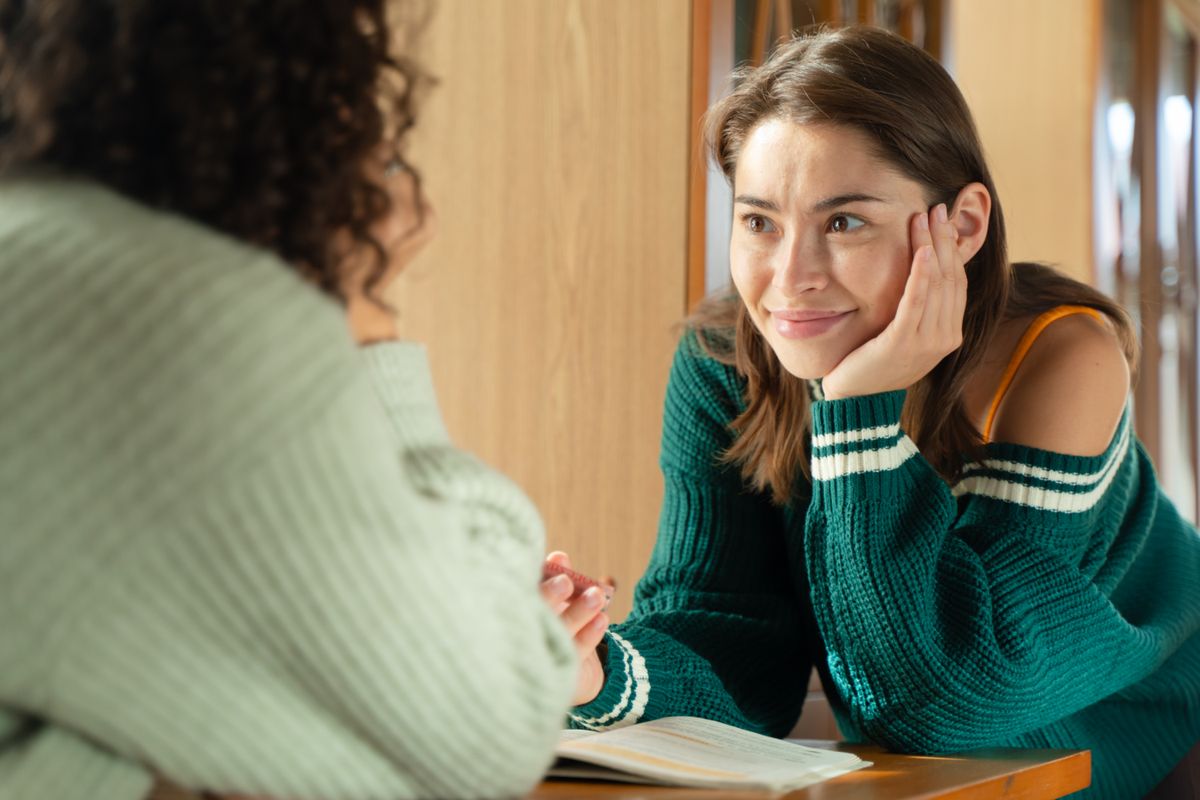
According to Mind Tools, good social communication is based on conveying information and feelings clearly in a way that helps build trust. It also improves relationships and reduces problems caused by poor understanding between people.
Why Is Communication an Essential Skill in Daily Life?
Because communication affects every detail of daily life, its importance shows in how we understand others, build relationships, and handle different situations. Here are its main benefits:
Good communication helps you explain your ideas in a way that reduces misunderstandings and everyday problems.
It makes you better able to understand other people's feelings and how they think during a conversation.
It helps resolve disagreements quickly instead of letting tension and irritation build up between two people.
It gives you more confidence when speaking or asking for what you need clearly.
It helps build more comfortable and stable relationships, because the other person feels understood and heard.
How Does Poor Communication Affect Relationships?
When you can't express yourself clearly or listen effectively, the messages between you and the other person begin to get distorted and misunderstandings become frequent. Small matters turn into bigger disputes because feelings aren't discussed in time but are left to pile up. This pattern of silence or avoidance also makes the distance from others grow gradually, and one or both people feel misunderstood or unappreciated.
What Are the Basic Types of Communication Skills?
Communication doesn't happen in just one way; it relies on more than one form working together. Understanding these types helps you improve how you deal with others more consciously.
Verbal Communication: A Direct Way to Convey Ideas
Verbal communication relies on spoken words to convey ideas and information directly. This type appears clearly in everyday situations such as meetings, discussions, or even simple conversations between people.
In practice, the way you use words greatly affects how well others understand you. When you speak in an organized and clear way, the idea gets across quickly without needing extra explanation. Choosing the right words also plays an important role in how well the other person accepts what you say, especially in situations that require precision, such as the workplace or problem-solving.
Nonverbal Communication
The influence of human communication extends beyond words, and this is where nonverbal communication comes in, as an element that completes the meaning and reveals what isn't said directly. It adds a layer of understanding that helps you read messages more accurately in different situations. Here are its most important elements:
Facial expressions that reflect true feelings while speaking.
Body movements that show how comfortable or tense someone is.
Eye contact, which indicates the level of attention and confidence.
Tone of voice, which can change the meaning of spoken words.
Gestures that support or weaken the message during interaction.
Active Listening Skills for a Deeper Understanding of Others
This type of communication means giving the other person your full focus in order to understand deeply what they are saying, not just hearing the words, which helps reduce errors and strengthen understanding between people. Its effect is also clear in daily life: when you interrupt someone while they're speaking, they feel you don't care, whereas when you give them full space to express themselves and then respond clearly, communication becomes smoother.
Good listening also helps you understand the feelings and motives behind the words, which makes handling problems more precise and calm and reduces misunderstandings in different situations.
Self-Expression Through Writing
Moving on to another type of communication that relies mainly on the written word, its importance lies in conveying ideas accurately and clearly through messages, reports, and emails. Here are its most important elements:
Writing sentences clearly so the idea is presented without ambiguity.
Organizing your ideas before writing to ensure a logical sequence.
Using precise words that reflect the intended meaning.
Stating the purpose of the message clearly from the start.

How Can I Develop My Communication Skills?
After getting to know the different types of communication and the key elements of each, the importance of continuously developing these skills becomes clear, in order to improve how you interact with others, convey ideas more clearly, and understand messages more accurately in everyday and professional situations.
Improve Your Listening Before Responding
Some of the most important ways to improve listening during communication:
Focus on what the other person is saying without being preoccupied with preparing your reply.
Give the speaker a full chance to express their opinion and feelings.
Ask clarifying questions when something isn't clear.
Avoid making quick judgments before the person has finished speaking.
Express Your Ideas Clearly and Simply
You can develop this skill by focusing on several key points, including:
Use clear words that suit the person you're talking to.
Arrange your ideas logically before you start speaking.
Avoid long details that distract attention.
State the main purpose of what you're saying directly.
Control Your Body Language While Speaking
To improve your body language during communication, pay attention to the following:
Maintain eye contact that reflects confidence and attention.
Use natural facial expressions that fit the situation.
Avoid movements that signal tension or lack of interest.
Control your tone of voice so it is clear and comfortable while speaking.
Frequently Asked Questions
After understanding the importance of effective communication skills with others, their types, and ways to develop them, a number of recurring questions arise about the impact of these skills on daily life, relationships, and work. The following answers help clarify the basics of social communication, self-confidence in communication, and emotional intelligence.
They also cover the most common barriers to effective communication and how to deal with them, along with practical steps to improve communication with others clearly and effectively.
Why Are Communication Skills Important in Daily Life?
Communication skills help improve how you understand others and reduce misunderstandings in everyday relationships. They also make it easier to express ideas and feelings clearly, which benefits social relationships, work, and self-confidence.
How Does Social Communication Help Build Better Relationships?
Social communication helps strengthen the bond between people and builds a greater sense of comfort and understanding. When communication is clear and balanced, forming and maintaining relationships becomes easier and more stable.
How Is Self-Confidence in Communication Related to the Way You Speak?
Self-confidence in communication affects your speaking style, tone of voice, and the way you express ideas. When a person feels confident, they become better able to convey their opinion clearly and interact comfortably, without hesitation or fear of being judged.
How Does Emotional Intelligence Affect Communication with Others?
Emotional intelligence helps you understand feelings and control reactions during conversation, making communication calmer and more mindful. It also helps improve how you handle disagreements and better understand the other person's needs.
What Are the Main Barriers to Effective Communication Between People?
Among the most common barriers to effective communication are constant interruption, poor listening, and getting worked up during discussions. Preconceived assumptions and unclear expression add to this, as these behaviors often lead to misunderstanding and tension in relationships.
How Can You Practically Improve Communication with Others?
You can improve communication with others through good listening, using clear language, paying attention to body language, and avoiding rushing to respond. Continuous practice of calm dialogue also helps develop communication skills gradually.
In conclusion, effective communication skills with others are an essential element in the success of personal and professional relationships, because they help improve mutual understanding and reduce misjudgment between people. With daily practice and attention to how you speak and listen, this skill can be developed noticeably and clearly.
For more useful and varied information on developing relationships, mental health, and self-development, you can browse the specialized articles on the Mawj app blog, which offers practical content to help you improve how you interact and build a more balanced life.
The app also offers audio sessions designed to promote relaxation, improve focus, and support deep sleep. So download the app now to benefit from these features.
This article is dedicated to educational and awareness purposes only, and is not considered a substitute for specialized medical or psychological consultation. Please always consult specialists when needed.