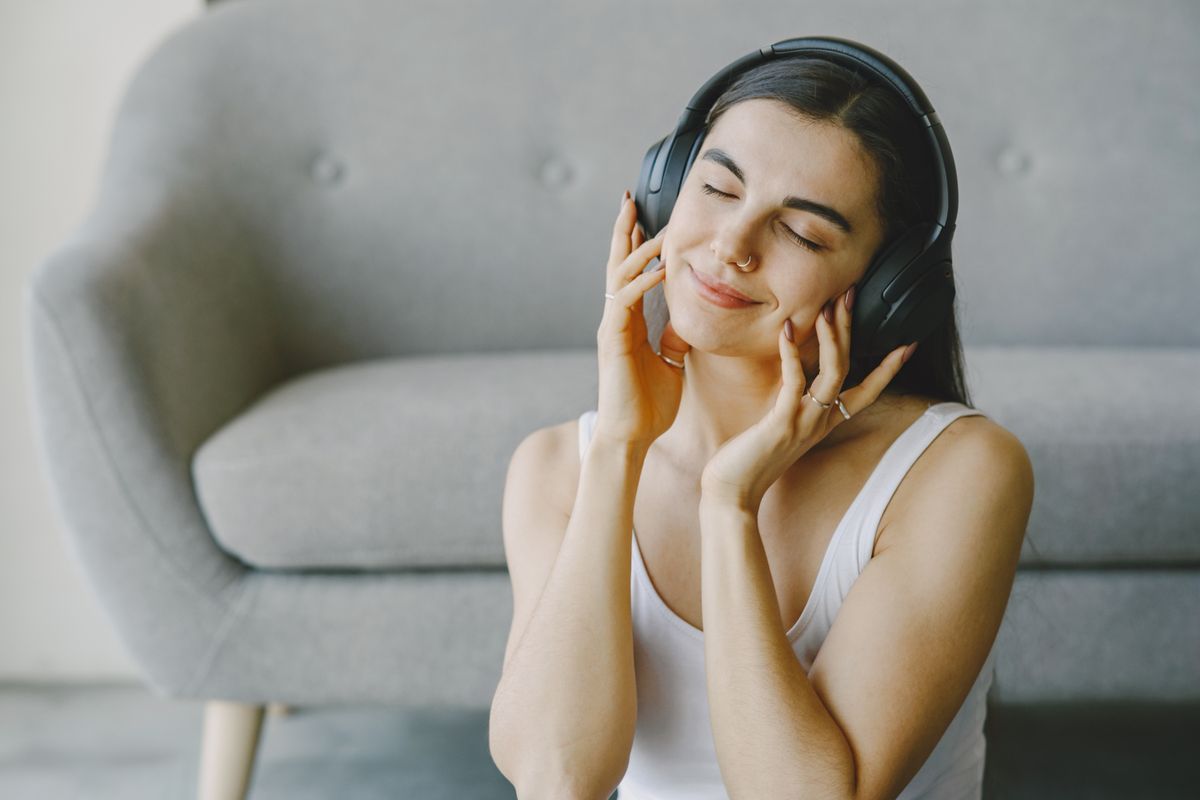
Have you ever listened to music that depends on the 8D audio experience and felt that it was moving around your head instead of coming from one direction? This feeling happens because the clip is not played in the traditional way. The sound is processed so that it reaches each ear in a slightly different way. Therefore, it seems as if it moves smoothly from right to left, or rotates in a space close to you. In reality, this feeling of movement makes the listening experience deeper.
It also gives the mind a clear point to focus on instead of becoming occupied with scattered thoughts. In addition, many people connect this sound pattern with calmness and reduced distraction. In this article, you will learn how this technology works in a simple way, in addition to how the brain interacts with moving sound, and why it may help some people relax in a safe and conscious way.
What Is the 8D Audio Experience and How Can We Understand It?
Some interpretations suggest that spatial audio techniques can create the sensation of sound moving around the listener, which may help make the listening experience feel more immersive, relaxing, or focused.

This effect appears more clearly when wearing headphones, because each ear receives a different part of the sound levels.
Although the name suggests the presence of eight dimensions, what is meant here is creating an auditory illusion of movement. This happens by distributing the sound between both sides while adding some effects such as echo and slightly changing the intensity of the sound.
What Does Spatial Audio Technology Mean?
Spatial audio technology is a method of modifying sound that makes the listener feel as if the music is moving around their head. Instead of the song seeming to come from one direction, the notes move between the right and left, as if they are rotating near the listener’s location. It is often used in music clips on YouTube and listening platforms because it adds a feeling of movement and immersion.
Moreover, this idea resembles the way we hear natural sounds in our lives, such as the sound of a car near you, where its sound is heard in each ear in a slightly different way. After that, the mind translates this difference and identifies the direction and position of the sound.
The Difference Between Three-Dimensional Sound and Eight-Dimensional Sound
Many people search for the difference between three-dimensional sound and eight-dimensional sound, as the two experiences may seem similar when listening. Both give a feeling that the effects are coming from more than one direction. However, the difference appears in the method of use and the goal of each experience:
Three-dimensional sound is used in games, films, and virtual reality, where it helps the person identify the source of effects, such as footsteps coming from behind or movement appearing from the side.
Eight-dimensional sound is mostly common in music and audio clips. The notes move between the right and left ear, giving a feeling that they are rotating around the head.
Spatial audio technology helps the listener understand what is happening around them. Therefore, the experience becomes more realistic, especially in games that depend on identifying directions.
3D audio aims to build an environment close to reality. As for eight-dimensional sound, it creates a movement-based effect during listening when using headphones.
How Does 8D Audio Technology Work?
Imagine that you hear a sound gradually moving from one side to another without remaining in a fixed direction. In reality, the sound does not move around you, but it is processed in a way that makes your right ear receive part of the sound differently from your left ear. Based on that, the brain interprets these small differences as movement or a shift in direction.
Sound effects such as echo and changes in sound intensity are also used, so the sound seems closer at times and farther away at other times. For this reason, this technology gives you the feeling that you are inside an immersive sound experience.
Why Do We Need Headphones When Using This Technology?
Headphones play an important role in showing the 8D effect clearly, and this is due to the following:
The effects reach the right and left ear separately, which helps create a clearer sense of sound direction.
When using speakers, both ears pick up the sound from both sides almost equally, and therefore the accuracy of sensing its location becomes weaker.
Headphones allow the sound movement between the right and left to appear clearly, so the listener feels harmony with the audio clips as if they are inside the experience.
What Is the 8D Audio Effect on the Brain?
The 8D audio effect on the brain is connected to the way a person interacts with the experience itself. Some people feel comfort and calmness, while others find that this type of clip increases their immersion in music or helps them temporarily clear the mind. This also depends on the nature of the clip, the volume level, the listening duration, and the listener’s state at that moment.
Sound Relaxation Helps Reduce Stress and Anxiety
Sound relaxation is connected to a calm listening experience that gives the mind a chance to move away from daily noise, and its benefit appears through the following:
The gentle movement of sound around the head helps create a comfortable atmosphere, especially when listening to soft music or natural sounds.
When the listener focuses on the movement of sound, they become less occupied with external stimuli, which gives them a moment of mental clarity.
Some eight-dimensional sound clips may give a feeling close to meditation sessions because they depend on calm rhythm and soft sound movement.
Calm listening can help reduce the feeling of pressure, especially after a long day or during periods of tension.
The slower and softer the music is, the more suitable the experience becomes for relaxation and psychological calmness.
What Are the Benefits of Using 8D Music for Deep Sleep?
This music attracts many people because it provides a calm auditory experience that helps prepare the atmosphere before going to sleep. This appears through the following points:
Calm clips help reduce preoccupation with daily thoughts, making the time before sleep calmer.
They can be used as part of a fixed evening habit, such as turning off the lights and reducing phone use.
Rain or sea sounds, and even slow music with 8D technology, may give the room a comfortable feeling that helps with relaxation.
When using comfortable headphones at a low volume, it becomes easier to ignore light external sounds.
The soft movement of sound may give a feeling of gradual relaxation, making the body and mind more ready for rest.
How Do These Sound Frequencies Contribute to Supporting Mental Health?
These sound frequencies and audio effects may help improve the mood of some people, especially when used in a calm and suitable way. This can be understood through the following:
Music in general helps express or calm emotions, and 8D technology may make this feeling deeper because of the immersive nature of the experience.
When the sound moves clearly, the listener becomes more attentive to the present moment, which supports the feeling of awareness and calmness.
Some calm clips may help create a suitable environment for studying or working, especially if they are free from lyrics and disturbing rhythms.
A short listening session can be a simple way to rest after a busy day, especially when choosing comfortable clips and a moderate volume level.
This technology makes music deeper and more vivid, which increases the listener’s immersion in it and gives them a more emotionally impactful experience.
Frequently Asked Questions
After explaining the idea of this technology and how it works inside headphones, we move on to answering the questions asked by many people interested in this type of audio clip. Most questions revolve around the reason behind feeling the movement of the melody, the importance of using headphones, and how suitable it is for relaxation or sleep.
What Is Meant by 8D Audio?
It is a pattern of sound processing that makes the listener feel as if the sound is moving around their head or between their ears. This does not mean that there are actually eight dimensions. Rather, the effect depends on distributing the sound, changing its intensity, and adding some effects.
Why Do I Feel That the Melody Is Moving Around My Head?
This happens because the sound reaches each ear in a slightly different way, and the brain interprets these differences as movement or a shift in direction, especially when using headphones.
Should Headphones Be Used to Hear the Effect Clearly?
Yes, headphones make the experience clearer because each ear receives a different part of the sound. When using regular speakers, the sound mixes in the space, and the feeling of sound movement becomes weaker.
How Can You Get the Best Listening Experience?
To get the best listening experience, use comfortable and clear headphones. It is also preferable to start with a calm clip, such as soft music or nature sounds. In addition, set the volume to a comfortable level that allows you to hear the details without disturbance.
Are These Clips Suitable Before Sleep?
Yes, they can be used before sleep if they are calm and free from sudden sounds. It is also recommended to set the volume to a low level and use a timer so the audio does not continue playing all night.
At the conclusion of our article, we find that the 8D audio experience shows us how sound distribution between the ears can change the way we listen and make it more interactive. With calm use and suitable headphones, these clips may become a pleasant option for anyone looking for comfort and relaxation. For more useful and diverse articles, you can visit the Mawj application blog.
Do not forget to download the application to enjoy audio sessions designed for you, including relaxation and meditation, in addition to deep sleep and nap sessions, with many features and services waiting for you to try.
This article is dedicated to educational and awareness purposes only, and is not considered a substitute for specialized medical or psychological consultation. Please always consult specialists when needed.